
Last updated October 31, 2026
 Kitchen remodeling
 Bathroom remodeling
 Home additions & ADU
 Roofing
 Windows & doors
 Driveway & pavers
 Fence
Free written scope consultation - allowances, timeline, and change-order rules on paper before a single trade is scheduled
General Contractor Troubleshooting: Common Problems and How to Fix Them
The most expensive general contractor problem isn’t a bad contractor. It’s a homeowner who waited three weeks before addressing the first red flag because they didn’t want to make it awkward. In Sunrise Manor, where summer temperatures push past 105 degrees and an exposed roof deck or missing exterior wall can bake a house within days, that three-week hesitation turns a $500 fix into a $15,000 remediation. Every construction project will have problems. The difference between a minor hiccup and a project-killing disaster comes down to how early you catch it and which recovery play you run. This guide walks you through the five most common failure points in residential construction, how to diagnose what’s actually going wrong, and the specific steps to get your project back on track without burning your budget or your sanity.
Quick Answer
The most common general contractor problems fall into five buckets: scheduling delays, change order disputes, payment and lien issues, subcontractor problems, and quality defects. The fix depends entirely on which phase of the project the problem surfaces in, because a delay caused by your contractor requires a different remedy than one caused by the permitting office or supply chain. Your best move in every case is the same: document everything in writing, understand who actually controls the problem, and escalate methodically instead of emotionally.
Styles & brands we work with
Table of Contents
- Problem One: The Schedule Is Slipping and Nobody Can Tell You Why
- Problem Two: The Change Order Doesn’t Match the Original Bid
- Problem Three: A Subcontractor Files a Mechanics Lien
- Problem Four: The Work Is Sloppy and Nobody Will Own It
- Problem Five: The Project Is Structurally Off-Track, Not Just Cosmetically Incomplete
- The Escalation Path: From Job Site Conversation to Surety Bond Claim
- Common Mistakes to Avoid
- When to Call a Professional
- Frequently Asked Questions
Problem One: The Schedule Is Slipping and Nobody Can Tell You Why
A construction schedule slips for three reasons: the contractor dropped the ball, the supply chain stalled, or the permitting office is backed up. The remedy for each one is completely different, and if you don’t know which one you’re dealing with, you’ll either waste time yelling at a contractor who isn’t at fault or let a contractor skate on excuses that aren’t real. In Sunrise Manor, Clark County building permits typically run three to six weeks for standard renovations, but ADU permits can stretch to three months depending on review backlog and whether your lot triggers any overlay requirements. That’s not your contractor’s fault. But a framing crew that doesn’t show up for two weeks after the permit clears? That’s on the GC.
How to Diagnose a Schedule Delay in Three Steps
- Ask for the specific item that’s holding. A real answer is “we’re waiting on the window package from PGT, expected ship date is the 14th.” A dodge is “we’re just waiting on a few things.” Specifics mean the contractor is managing the schedule. Vague means they’re managing you.
- Verify the claim yourself. Call the supplier or the permitting office. If the contractor says the countertops are backordered, call the fabricator and ask. You’d be surprised how often “the city is backed up” translates to “we never actually submitted the permit application.”
- Check the critical path. Ask one question: “What can your crews be doing right now while we wait on this?” A good GC sequences work so that electricians rough in while windows are on order. A bad GC uses one delay as an excuse to pause everything.
If the delay is genuinely external, your job is patience plus pressure. Get the expected arrival date in writing and ask for a revised schedule showing how the rest of the project shifts. If the delay is internal, that’s a performance problem, and you need to move to written notice quickly. A full-scope general contractor managing your entire home envelope should be able to keep other trades moving while one material works its way through the supply chain, as covered in our guide on How to Hire a Construction Contractor in Sunrise Manor: A Step-by-Step Guide. That’s what single-source accountability actually means: one person whose problem it is to solve, not one person who hands you a list of excuses.
Problem Two: The Change Order Doesn’t Match the Original Bid
Change orders are a normal part of construction. You cannot demo a kitchen in a 1980s Sunrise Manor house without finding something that isn’t in the original drawings. The problem isn’t the change order itself. The problem is when a change order is being used to pad a low bid after the project has already started, which is a common tactic in the residential market where the initial estimate was priced to win rather than priced to build.
What a Legitimate Change Order Looks Like
- It’s triggered by something you asked for or something that was genuinely unknown. You decided to upgrade from Delta to Toto fixtures, or the crew opened the wall and found termite damage that no one could have seen during the bid walk.
- The price is line-itemed. You see labor, materials, and markup broken out separately, not one round number with no backup.
- The scope change is proportional to the price change. Adding a pot filler to a kitchen remodel shouldn’t cost $4,000. But moving a load-bearing wall absolutely should.
- You’re asked to sign before the work proceeds. A contractor who does work first and prices it after has all the leverage. A legitimate change order gets priced, approved, and signed before anyone swings a hammer.
Red Flags That a Change Order Is Padding
- The original bid was significantly lower than the other two you received.
- Change orders start appearing in week two for items that were clearly visible during the bid walk.
- The change order language is vague (“additional framing as needed”) rather than specific (“reframe east wall to carry new header per engineer’s letter”).
- You’re told the work “had to happen” before you were given a price.
- The contractor threatens to walk off the job if you don’t sign.
Here’s the part most homeowners miss: you can say no. You can require a written breakdown. You can get a second opinion. A change order is a negotiation, not a bill. If you’re dealing with a contractor who spec’d the job honestly the first time using the right material brands for your budget, change orders should be rare and usually small. If they’re frequent and large, you’re not experiencing construction. You’re experiencing a business model.
Problem Three: A Subcontractor Files a Mechanics Lien
This is the problem that blindsides homeowners because it doesn’t involve them directly. Your general contractor hires a plumbing sub. The sub does the work. You pay the GC. The GC doesn’t pay the sub. The sub files a mechanics lien against your property. Now you’re on the hook for work you already paid for, and you find out about it when the lien shows up on your title report during a refinance or sale. In Nevada, a subcontractor has 90 days from the last day they performed work to record a lien, and then up to six months to file suit to enforce it. The lien attaches to your property, not to your contractor’s reputation.
How to Protect Yourself Before Work Starts
- Collect lien waivers from every sub and supplier. Before you release a progress payment to the GC, require conditional lien waivers from everyone who worked during that billing period. The conditional waiver states that once the sub gets paid, they waive their right to lien for that work.
- Pay with joint checks for large material purchases. If your GC is buying a $30,000 cabinet package from KraftMaid, write the check to both the GC and the supplier. That way the supplier gets paid directly and can’t lien you later.
- Verify the GC’s payment history before you hire them. Ask for references from past clients and ask those clients one specific question: did any subcontractor ever contact you about nonpayment? In our experience across Sunrise Manor, the contractors with lien problems have them chronically, not occasionally.
- Get a notarized statement of subcontractor release before final payment. Before you write the final check, require documentation that all subs and suppliers have been paid in full. Once that final payment clears, you have little leverage left.
What to Do If a Lien Has Already Been Filed
First, don’t panic and don’t ignore it. A recorded lien will sit on your title until it’s resolved, which could be years. Second, contact the lien claimant directly and ask for a copy of their contract with the GC and proof of the unpaid amount. Third, demand that your GC resolve it in writing, with a deadline. If the GC won’t or can’t, you may need to pay the sub directly to release the lien and then pursue the GC for reimbursement through small claims court or the Nevada Contractors Board recovery fund. That’s a painful path, but it’s far less painful than discovering the lien when you’re under contract to sell your house and the buyer’s title company refuses to close.
This is exactly the scenario that single-contractor accountability is supposed to prevent. When one general contractor carries the entire project from roofline to foundation, that contractor is also the party legally responsible for paying every sub. The homeowner shouldn’t need to audit payment flows. But until you verify that your contractor actually pays their bills, assume nothing and document everything.
Problem Four: The Work Is Sloppy and Nobody Will Own It
There’s a difference between construction dust and construction defects. Drywall seams that are still visible under paint after the texture is applied, tile lippage you can catch with a credit card edge, cabinet doors that bind, windows that don’t seat in their frames, a deck that bounces when you walk across it. These aren’t punch list items. These are quality failures, and the worst version of this problem is when the contractor tells you “that’s within industry standards” and refuses to fix it.
Industry standards exist. ANSI, ASTM, and the National Association of Home Builders all publish acceptable tolerances for residential construction. A tile floor with lippage beyond 1/16 inch for a 12×24 tile is not within standard. A wall that’s out of plumb by more than 1/4 inch over eight feet is not within standard. A contractor who hides behind “industry standards” without citing which standard and which tolerance is usually a contractor who doesn’t want to eat the cost of a redo.
How to Get Quality Deficiencies Fixed
- Document the defect specifically. “The bathroom floor looks bad” doesn’t help anyone. “The tiles in the northeast corner vary in height by more than 1/8 inch, which exceeds the ANSI A108 standard for this tile size” does. Bring a level, bring a straightedge, take photos with measurements visible.
- Cite the standard in writing. Your written notice should state the specific location, the specific defect, the standard that’s violated, and the date you expect correction. This converts the argument from opinion to fact.
- Withhold only the amount necessary to fix the defect. You can’t withhold $80,000 because a $3,000 tile floor is bad. But you can withhold the $3,000, in writing, with the specific reason documented, until the floor is corrected. Withholding payment is your leverage. It works better when it’s precise and proportionate.
- Get a third-party inspection if the contractor pushes back. Hire an independent inspector or a retired contractor with no skin in the game to assess the defect and write a report. That report costs a few hundred dollars and ends the debate about whether the defect is real.
Problem Five: The Project Is Structurally Off-Track, Not Just Cosmetically Incomplete
This is the distinction that determines whether you settle for less than you’re owed. A cosmetically incomplete project means the tile backsplash isn’t grouted, the vanity mirror isn’t hung, the paint needs a second coat. These are finish items. They’re annoying, they’re visible, and they’ll be fixed. A structurally off-track project means the roof decking wasn’t replaced when it should have been, the new beam doesn’t have the specified engineer’s connection, the waterproofing behind the shower wasn’t done correctly, the grading around the foundation slopes toward the house instead of away from it. These are the problems that don’t nag at you. They wait. And then they cost five times more to fix in three years when the leak finally shows up on the ceiling below the shower.
Signs Your Project Is Structurally Off-Track
- Inspections failed more than once for the same item.
- The contractor is pressuring you to accept work that an inspector flagged.
- You see materials specified on the plan being swapped for something different without a change order.
- Load-bearing elements were modified without an engineer’s sign-off.
- Water management details (flashing, weep holes, drainage planes) are missing or visibly incorrect.
- The contractor can’t produce the inspection history for your permit.
Here’s the uncomfortable truth: a lot of homeowners accept structurally deficient work because they don’t know what they’re looking at, and the contractor knows they don’t know. The fix is to bring in someone who does. A third-party inspection at the rough-in stage, before the walls are closed, costs $400 to $800 and gives you photographic documentation of every connection, every waterproofing detail, every framing member. If you’re doing a full-gut remodel in Sunrise Manor, that inspection is the cheapest insurance you’ll ever buy. And if the inspector finds problems, you now have leverage in writing while the work is still accessible. Five years from now, when the problem has become a mold remediation and a full re-tile, the money is gone and so is the contractor.
We see this scenario regularly in homes built during the 1990s and 2000s boom in Sunrise Manor, where original construction quality varied wildly from street to street. A renovation that doesn’t address hidden deficiencies in the existing structure is just a cosmetic overlay on a deteriorating base. The reputable general contractors look for those problems before they bid. The less reputable ones discover them after the job starts and use them as change order leverage. The difference is whether the contractor treats your home as an asset to improve or a budget to extract.
The Escalation Path: From Job Site Conversation to Surety Bond Claim
Most contractor disputes can be resolved with a direct conversation. Most contractor disasters cannot be resolved at all if you wait too long. The escalation path is designed to apply escalating pressure while leaving a clean paper trail at every step. Here’s how it works in Nevada:
- Job site conversation (day 1). Talk to the person with authority on your project, usually the GC or the project manager. State the problem plainly, ask for a specific remedy, and agree on a deadline. Follow up that same day with an email summarizing what was discussed and what was agreed. The email is your paper trail, not the conversation.
- Written notice (day 7-10 if unresolved). Send a formal letter, ideally by certified mail, stating the problem, the history of attempts to resolve it, the contractual provision that’s being violated, and the date by which you expect correction. This letter becomes exhibit A in every subsequent step, so write it like a judge will read it.
- Mediation or written demand through counsel (day 21-30 if unresolved). A letter from an attorney on a construction dispute typically costs $300 to $800 and changes the dynamic completely. Contractors who ignored you when you complained will suddenly respond when they see a law firm letterhead. Many disputes die here.
- Nevada State Contractors Board complaint (any point after written notice). The NSCB licenses and regulates contractors in Nevada, including those working in Sunrise Manor and throughout Clark County. A complaint triggers an investigation, and the board has the power to discipline, fine, and suspend licenses. Contractors are highly motivated to resolve complaints before the board takes action. The threat of a board complaint often resolves disputes without the complaint ever being filed.
- Surety bond claim (if the contractor is licensed and bonded). Nevada requires licensed contractors to carry a surety bond, currently $10,000 for most residential contractors. If the NSCB finds against the contractor and you’ve suffered damages, you can make a claim against the bond. It’s a finite pot of money, but it’s real money that a contractor can’t talk you out of.
- Litigation (last resort). Small claims court in Nevada handles disputes up to $10,000, which covers most residential construction disputes. For larger amounts, you’re into district court, which means real legal fees and real time. Litigation should be your last resort because it’s slow, expensive, and uncertain. But sometimes it’s the only way to get made whole.
The throughline at every step: write it down, date it, and keep it. Oral promises evaporate. Written commitments survive.
Common Mistakes to Avoid
- Paying too much upfront. Nevada law limits the down payment a licensed contractor can collect to 10% of the total contract price or $1,000, whichever is less. If your contractor asks for 50% to “secure materials,” you’re not dealing with a licensed contractor or you’re dealing with one who’s violating state law. Either way, get your check back.
- Ignoring the first missed milestone. A contractor who misses the rough-in date by three days will miss the drywall date by two weeks. Problems compound in construction because no trade works in isolation. When the first deadline slips, get the revised schedule in writing that week.
- Doing the work without pulling permits. Unpermitted work will show up on your title report when you sell, and the buyer’s lender will require retroactive permits, which means opening walls that have been closed for years. In Sunrise Manor, where a lot of the original housing stock predates current code, unpermitted renovation work creates a liability trail that follows the house to the next owner.
- Accepting verbal change orders. “Just do it and I’ll bill you later” always ends with a bill that surprises you. No signed change order, no changed work. That’s the rule that protects everyone.
- Selecting a contractor based on the lowest bid without checking references. Low bids in residential construction are rarely low because the contractor is more efficient. They’re low because something is missing: proper insurance, worker’s comp coverage, permitting fees, adequate material allowances, or the intention to actually do the job at that price.
- Making final payment before the punch list is done. Your final payment is the only leverage you have left at the end of the job. Once it clears, the contractor’s incentive to return for the loose cabinet pull evaporates. Don’t hand over the check until everything on the punch list is complete and you have lien waivers in hand.
When to Call a Professional
Some problems are worth solving yourself, like asking for a revised schedule or requesting a lien waiver. Other problems need a professional right away. If you find unpermitted structural work, if a subcontractor has filed a lien, if an engineer’s detail was skipped, if a building inspector has failed the same item twice, or if your contractor has stopped communicating entirely, you need professional help now, not next month. Every day of delay on a structural problem in the Sunrise Manor climate means sun, heat, and time doing their work on your house. And if you’re at the point where you’re wondering whether the contractor you hired should be replaced rather than reasoned with, you should be talking to a Steel Horse Construction home professional about what your project should have looked like all along. Steel Horse Construction offers free estimates in Sunrise Manor. Call (877) 265-5715.
Frequently Asked Questions
Fixing botched work typically costs 1.5 to 3 times what the original work cost, because you’re paying for demolition, disposal, materials a second time, and labor to redo what should have been done right the first time. A $10,000 tile floor installed wrong might cost $25,000 to remove, resize, and reinstall correctly. That’s why the inspection during construction and the refusal to accept substandard work are not optional. Call (877) 265-5715 for an assessment of what your project needs.
Yes, you can fire a general contractor mid-project, but the mechanics are complicated and depend on the termination clause in your contract, what work has been completed, what’s been paid, and what permits are open. You’ll need a documented paper trail justifying the termination, and you’ll likely need to hire a replacement contractor to finish the work, which costs more than the original contract. Before you fire anyone, get written documentation of the cause and consult with a construction attorney or the Nevada State Contractors Board.
Most interior remodeling work that involves structural changes, electrical, plumbing, or mechanical systems requires a permit from Clark County. Cosmetic work like painting or flooring replacement generally does not. If your contractor tells you permits aren’t necessary for work that involves moving walls, adding circuits, or changing plumbing, that’s a red flag. Unpermitted work can prevent you from selling your house later and can void your homeowner’s insurance if it causes damage.
Check the Nevada State Contractors Board website by searching the contractor’s name or license number. The license should be active and the classifications should match the work being performed. You can also check the NSCB for disciplinary history and the Clark County recorder for any liens filed against the contractor by suppliers or subs. If a General Contractor in Sunrise Manor can’t show you an active license, don’t let them on your property.
In practical terms, a renovation restores or updates what’s already there, like replacing an old kitchen with a new one in the same footprint. A remodel changes the form or function, like removing a wall to combine a kitchen and dining room. Both fall under home renovation in Sunrise Manor in common usage, and both require a contractor who can coordinate multiple trades. The distinction matters for permits because structural changes trigger more intensive review.
A full kitchen remodel with new cabinets, countertops, plumbing fixtures, and appliances typically takes six to twelve weeks from demo to final walkthrough, depending on material lead times and inspection scheduling. Cabinetry from brands like KraftMaid and countertops from Cambria or Silestone can add two to six weeks if not ordered before demo starts. A home remodeling in Sunrise Manor contractor should provide a detailed schedule at contract signing showing every phase and milestone. Call (877) 265-5715 for a project-specific timeline.
The Bottom Line
General contractor problems are predictable. They follow patterns. Scheduling slips, change orders appear, subs go unpaid, quality gets argued about, and structural issues hide behind drywall. The homeowners who survive these problems with their budget and sanity intact are the ones who document everything, understand which party actually controls the problem, and escalate in proportion to the severity of the issue rather than waiting for the problem to fix itself. A good general contractor is your ally in this process. A bad one is the reason the process exists. Know the difference early, and you’ll know which play to run. For more guides & resources, visit our blog.
Written by the team at Steel Horse Construction, serving Sunrise Manor since 2016.
See the difference
 Before
 After
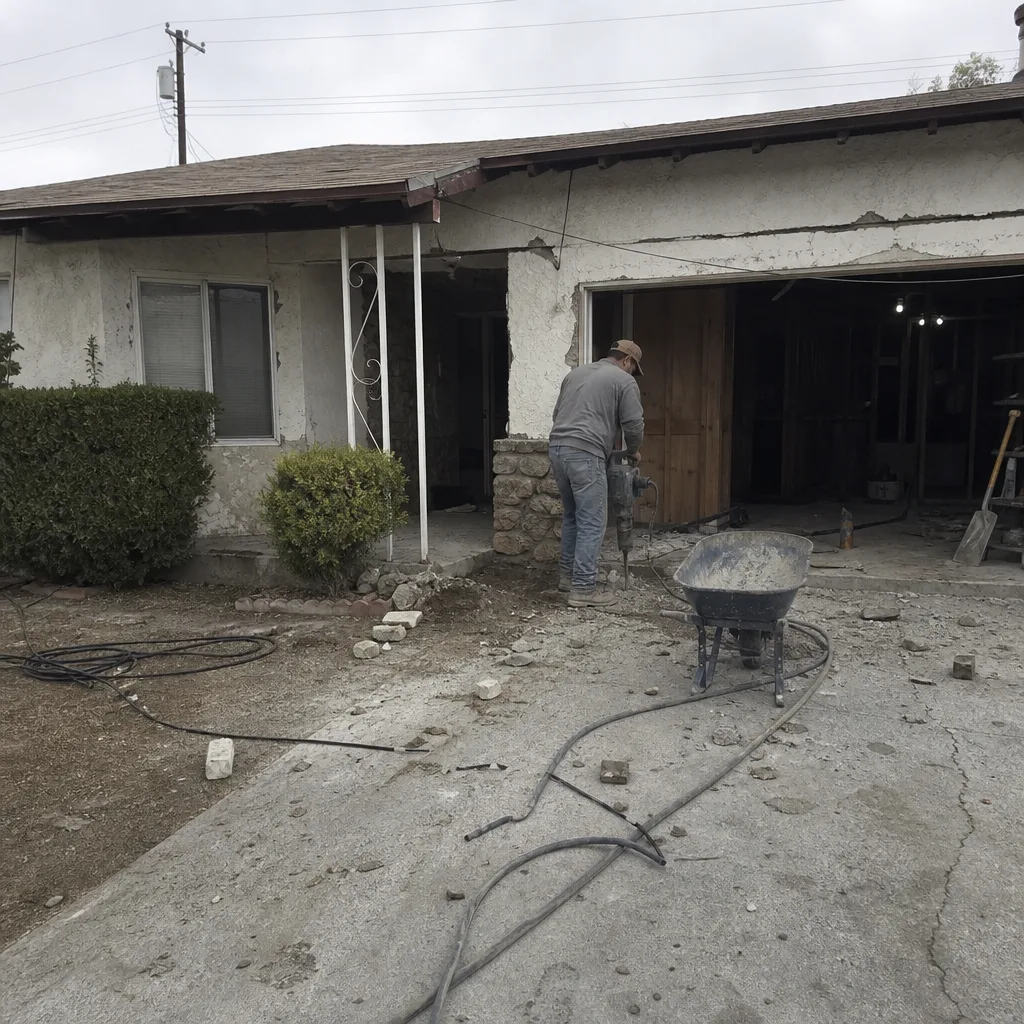 Before
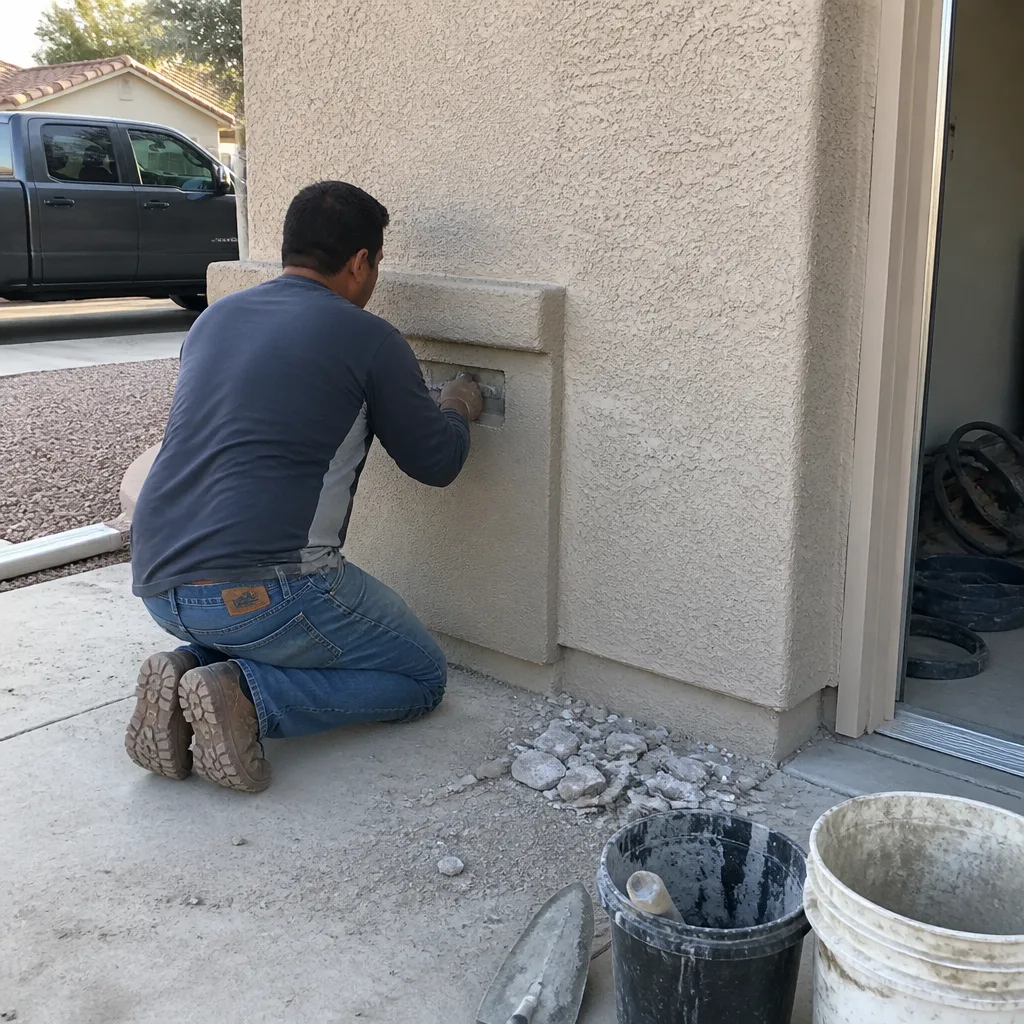 After
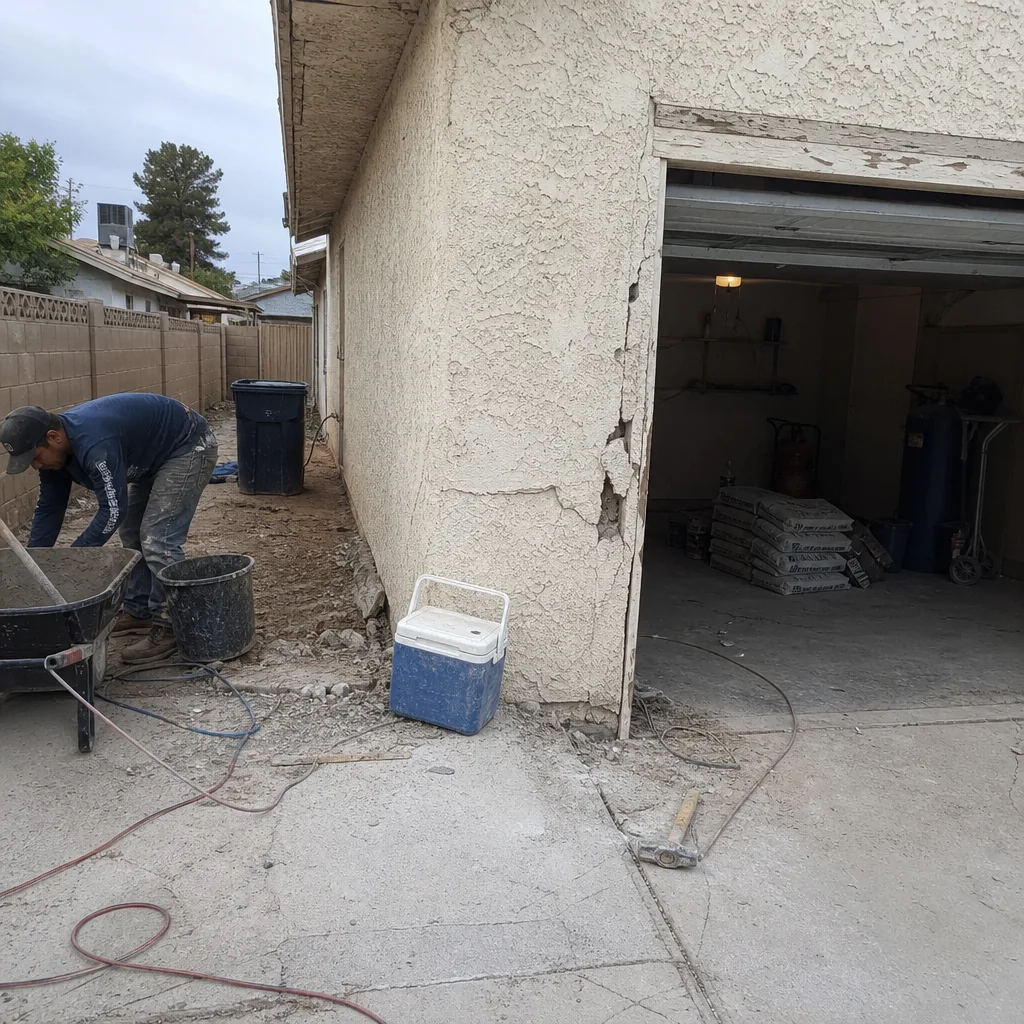 Before
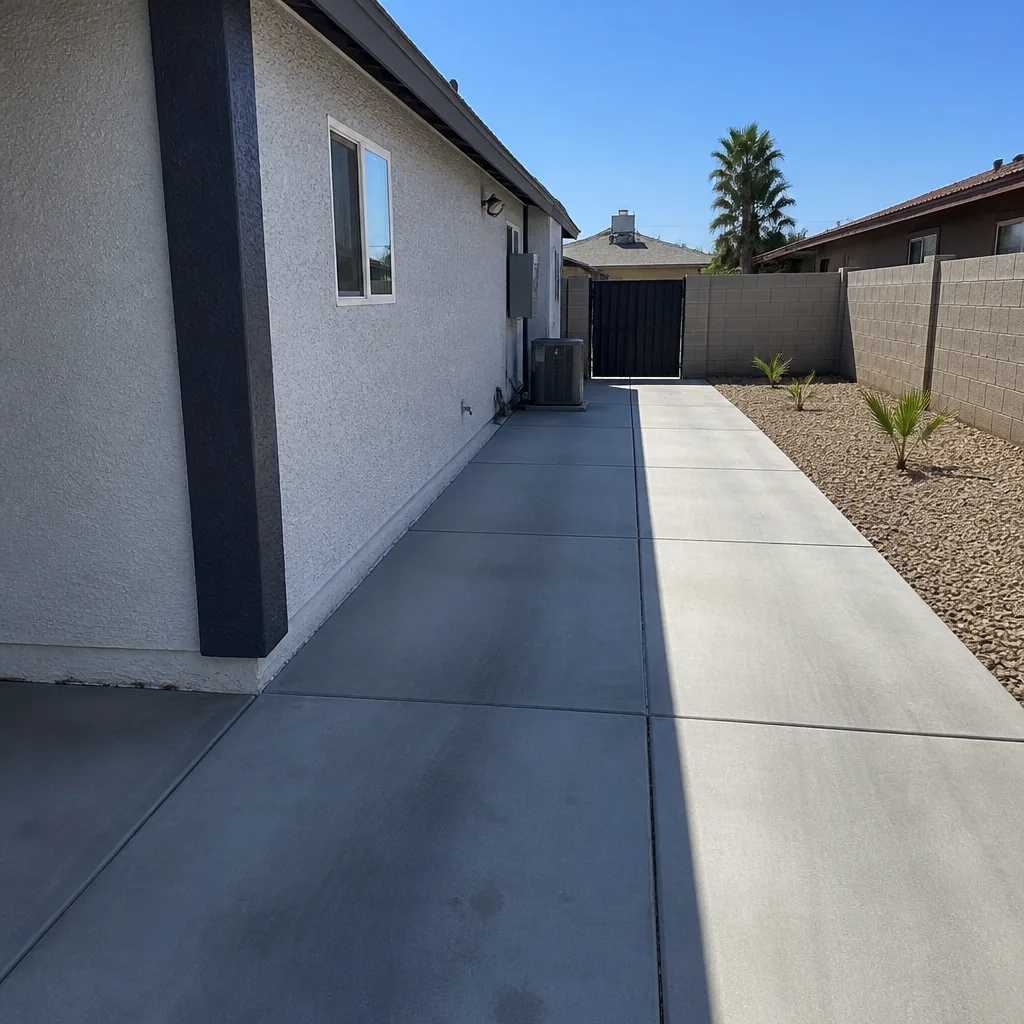 After