
Last updated October 31, 2026
 Home additions & ADU
 Kitchen remodeling
 Bathroom remodeling
 Roofing
 Windows & doors
 Driveway & pavers
 Fence
Free written scope consultation - allowances, timeline, and change-order rules on paper before a single trade is scheduled
DIY vs Professional Construction: The Sunrise Manor Homeowner’s Decision Guide
In Sunrise Manor, a DIY window install that passes the eyeball test in April will tell its real story in August. That’s when four months of thermal expansion cycles expose the unsealed gap that’s been wicking moisture into the rough opening since the day you caulked it. The desert doesn’t forgive mistakes slowly; it waits for the right temperature and then reveals them all at once. This guide draws the line between work you can genuinely handle yourself and work that carries consequences too expensive to learn the hard way in Sunrise Manor, and you can find more guides & resources on our blog. By the end, you’ll know exactly which projects belong in which category, and why certain desert failure modes never show up in YouTube tutorials.
Styles & brands we work with
Quick Answer
Most homeowners in Sunrise Manor can safely handle cosmetic work like painting, hardware replacement, and minor landscaping. Projects involving roofing, window installation, structural changes, or any electrical and plumbing beyond fixture swaps should go to a licensed contractor because desert climate conditions turn small mistakes into structural failures, and unpermitted work can void your insurance coverage on a claim. The right question isn’t whether you’re skilled enough; it’s whether the failure cost of a mistake exceeds what a professional charges.
Table of Contents
- The Three Categories of Home Projects: Where the Line Actually Sits
- Desert Failure Modes: What Sunrise Manor Does to DIY Work
- How DIY Repairs Void Manufacturer Warranties on the Surrounding Material
- The Insurance and Liability Gap: What Your Policy Actually Covers
- Permit-Ready but DIY-Legal: The Inspection System and What It Means
- The Hybrid Model: Hiring a GC to Supervise Instead of Self-Performing
- Why Material Selection Is Where DIY Budgets Die
- Common Mistakes to Avoid
- When to Call a Professional
- Frequently Asked Questions
- The Bottom Line
The Three Categories of Home Projects: Where the Line Actually Sits
Every home project falls into one of three buckets. Knowing which bucket you’re standing in before you swing a hammer is the difference between a successful Saturday and a six-month insurance fight. We’re going to walk you through all three categories, not because the first one is complicated, but because most homeowners misclassify the second and third.
Category one: genuinely DIY-safe work. Interior painting, replacing cabinet hardware, swapping a light fixture (with the breaker off), installing a new faucet, patching drywall, replacing a door knob or deadbolt, and minor landscaping like planting shrubs or laying mulch. These projects share two traits: failure is visible immediately, and the cost of fixing a mistake is less than the cost of hiring from the start. In Sunrise Manor, even these come with one caveat: exterior paint fails faster here than anywhere you’ve lived before. Use a product rated for UV exposure above 4,000 hours or you’ll be repainting a north-facing wall in 24 months while wondering what went wrong.
Category two: permit-required but DIY-legal with inspection. This includes some electrical work (running a new circuit, though not panel work), some plumbing (drain line replacement, water heater swap in many cases), and fence replacement under six feet. Clark County and the City of Sunrise Manor allow homeowners to pull their own permits for certain work on a primary residence. But here’s what the YouTube video won’t tell you: when you pull a homeowner permit, the inspector holds your work to the same code standard as a licensed contractor’s work. There is no homeowner discount in the codebook. In our experience, a first-time electrical permit holder in Sunrise Manor passes on the first inspection about one in four times. The other three times, you’re redoing work with the inspector watching, and you’ve already paid for the permit, the materials, and the day off work.
Category three: contractor-required by code, consequence, or insurance reality. Roof replacement, window and door installation that changes the opening size, structural modification (removing a wall, cutting a beam pocket, adding a header), any gas line work, panel upgrades, HVAC replacement, and any work that touches the exterior envelope. These require a licensed contractor’s signature on the permit application for a reason. The consequence of a mistake isn’t a bad paint line; it’s water intrusion, gas exposure, or a roof deck that rots invisibly for three years before your ceiling collapses onto the kitchen table.
For a deeper look at what full-scope work actually entails, the team at General Contractor in Sunrise Manor has put together the most honest breakdown we know of.
Desert Failure Modes: What Sunrise Manor Does to DIY Work
The desert is not neutral. It actively tests every material and assembly against a triple threat: surface temperatures that hit 140°F on south-facing walls in July, a monsoon season that dumps a month of rain in forty-five minutes, and a daily temperature swing of thirty-plus degrees that cycles every sealant, flashing, and joint from expansion to contraction hundreds of times a year. DIY guides written for Phoenix or Albuquerque miss the specific failure profile of Sunrise Manor’s elevation and microclimate.
Sealant product mismatches are the most common failure we find. A general-purpose silicone caulk from the big-box store might be rated for 120°F continuous exposure. On a Sunrise Manor afternoon, a south-facing metal flashing will exceed that by twenty degrees. The sealant doesn’t fail catastrophically; it slowly loses adhesion at the bond line over a single summer, then separates the first time the building envelope cools and the materials contract. Four months later, monsoon water finds the gap. The fix isn’t a different caulk gun technique; it’s a specific product chemistry matched to the substrate and the temperature rating, and most homeowners have no reason to know the difference because no tutorial mentions it.
Flashing errors compound silently. A header flashing installed with the wrong lap direction, or step flashing that doesn’t extend far enough up the wall, will pass the eyeball test on install day. A year later, the water that got behind it has wicked along the sheathing, softened the OSB, and created the conditions for stucco cracking or siding delamination. We replaced a Sunrise Manor roof in 2023 where the homeowner had reflashed a skylight himself three years earlier. The visible work looked fine. The sheathing underneath was structurally compromised over a four-foot-square area. The repair cost was triple what a proper flashing detail would have cost from the start.
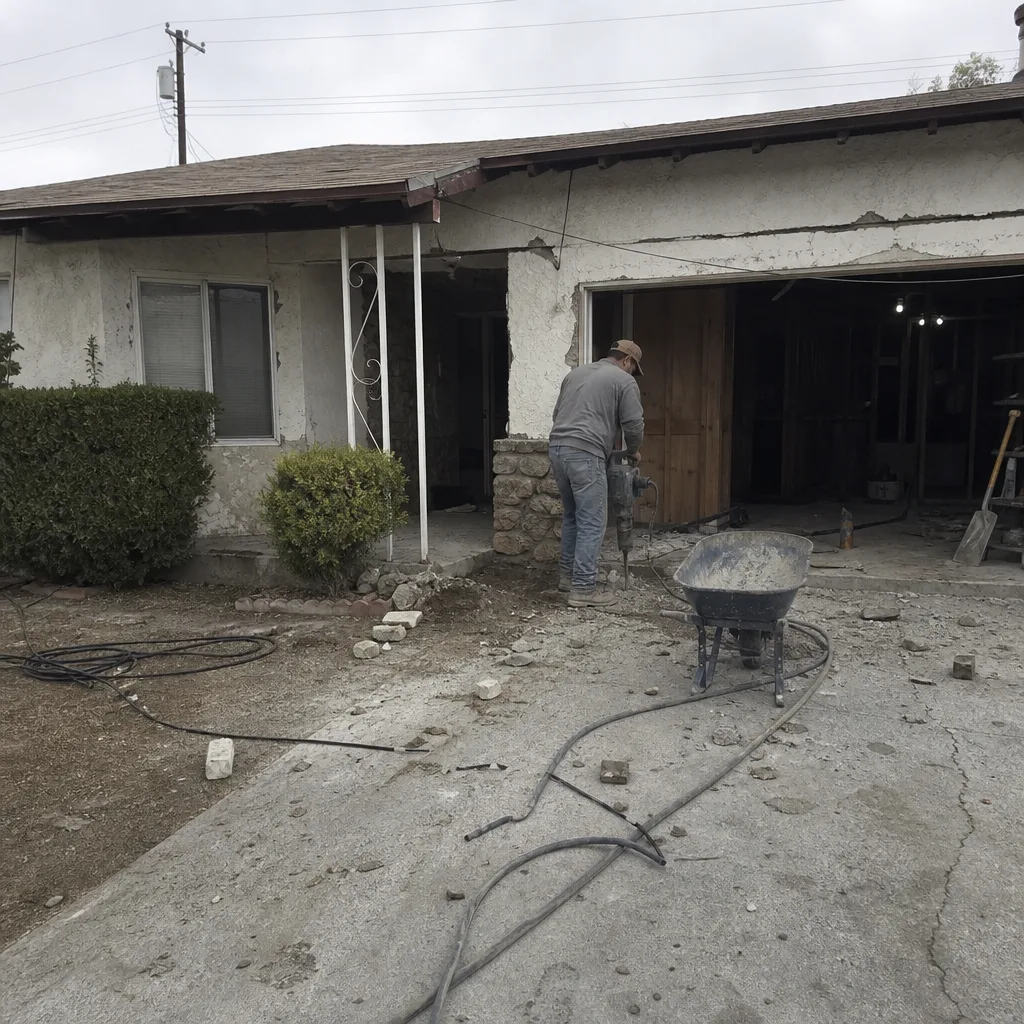
Concrete mixing errors in extreme heat. Pour a concrete pad for a shed or a fence post footer when the ambient temperature is above 100°F and you’re racing a chemical reaction. Concrete cures faster in heat, and without cure-retarding admixtures, the surface dries before the interior sets, creating a condition called plastic shrinkage cracking. It looks cosmetic for the first year. Then water gets into the micro-cracks, and in the desert, water is a slower but more persistent destroyer than anywhere else because it sits in the cracks and evaporates, leaving mineral deposits that wedge the cracks open further. A homeowner adding “just a little extra water” to the mix to make it workable in the heat reduces the final compressive strength by twenty to forty percent, and no YouTube video about building a garden wall will tell you that.
How DIY Repairs Void Manufacturer Warranties on the Surrounding Material
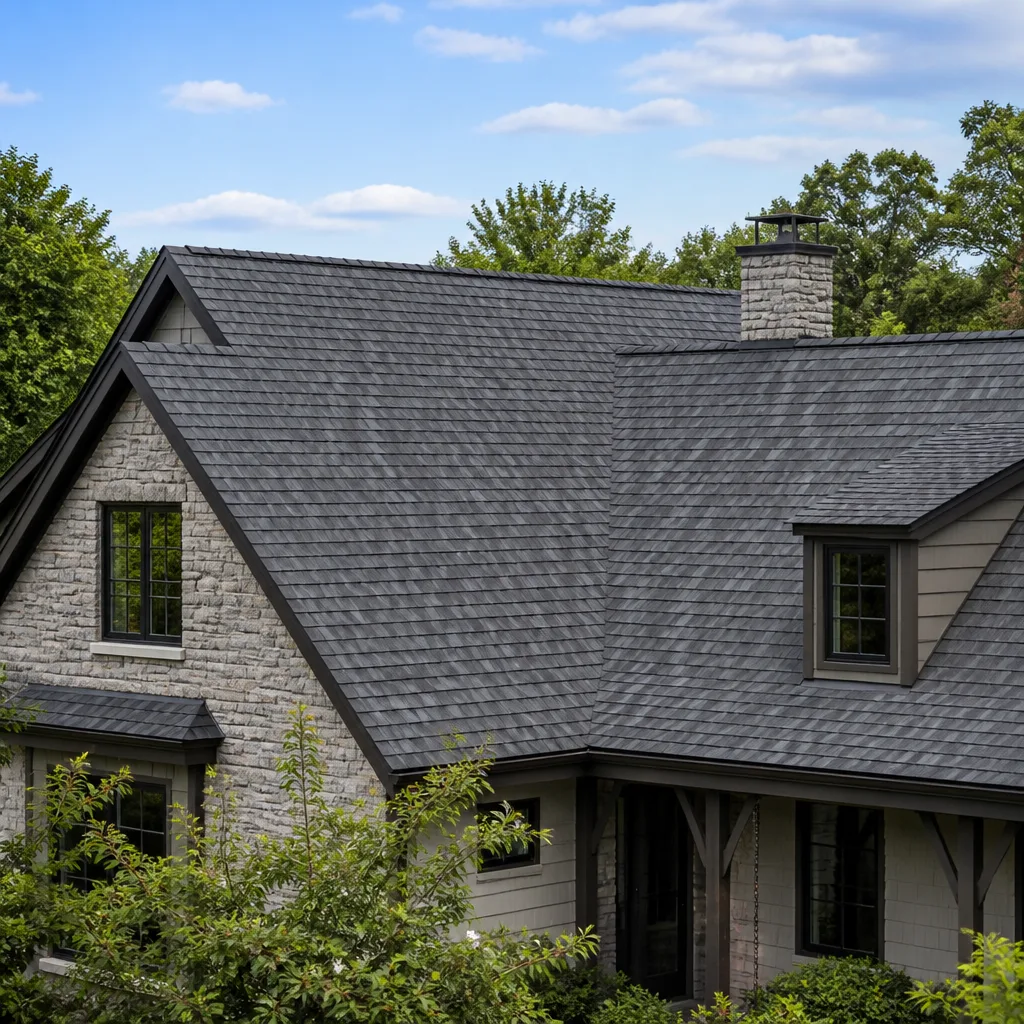
Here’s the part nobody tells you before you climb up there with a bundle of shingles and a nail gun. When you perform a DIY repair on a roof, you are not just risking the section you repaired. You are risking the warranty on every square foot of material surrounding it.
Manufacturer warranties from companies like GAF, Owens Corning, and CertainTeed include language stating that the warranty is void if repairs or modifications are performed by anyone other than a licensed and factory-authorized contractor. That doesn’t mean you lose coverage on the three shingles you replaced. It means the entire roof system warranty, which might have had fifteen or twenty years remaining, is now void. When a wind event lifts shingles on the opposite side of the house and you file a claim, the manufacturer’s first question is “Who did the repair?” and the answer “I did” ends the conversation.
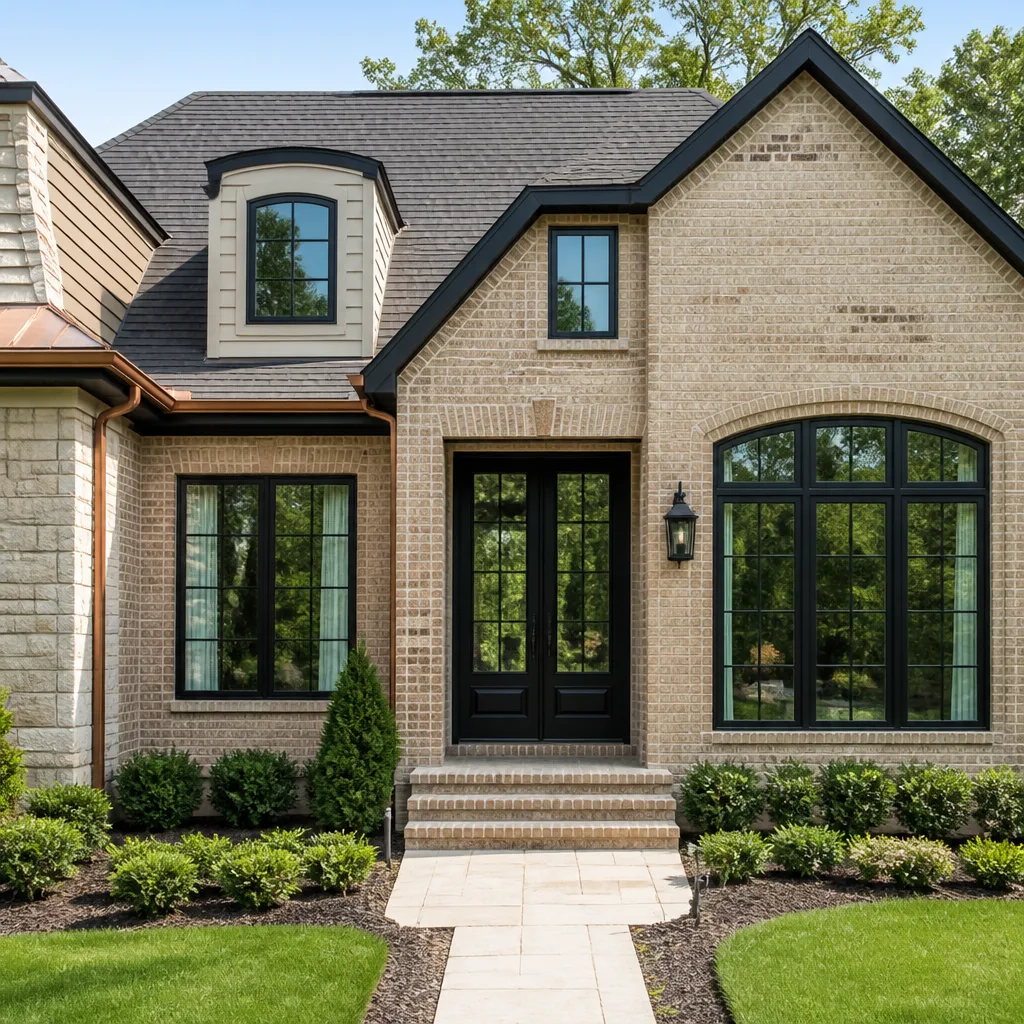
The same applies to windows. Install a window from PGT or CGI yourself and it leaks, and the warranty claim will be denied on the grounds of improper installation. The manufacturer has no way to verify your flashing details, your leveling, or your rough opening preparation. They built a product designed to be installed by trained crews using specific installation methods, and their warranty language reflects that. What a homeowner sees as a Saturday savings of eight hundred dollars is actually the forfeiture of a multi-thousand-dollar warranty asset that came free with the original build.
This is the quiet cost of DIY that doesn’t show up in any cost estimate because it’s invisible until a claim happens. A professional Home Renovation in Sunrise Manor project protects that warranty layer by maintaining a chain of licensed, documented installations.
The Insurance and Liability Gap: What Your Policy Actually Covers
Homeowner’s insurance is written on a simple principle: the insurer covers damage from covered perils assuming the home was built and maintained to code and industry standards. When you introduce unpermitted or DIY work into the equation, you give the insurer a coverage defense they will use, not because they’re hostile, but because their actuarial tables tell them exactly how often unpermitted work is the root cause of the damage claim.
The most common scenario in Sunrise Manor: a homeowner runs a new electrical circuit to a backyard shed without a permit. Two years later, a fire starts at a junction box in that circuit. The fire investigator identifies the origin, and the insurer asks for the permit history. No permit exists. The claim is denied on the grounds that the loss resulted from work performed outside the scope of the insured’s permitted occupancy. The denial holds up because the insurance contract explicitly excludes coverage for losses arising from illegal or unpermitted construction.
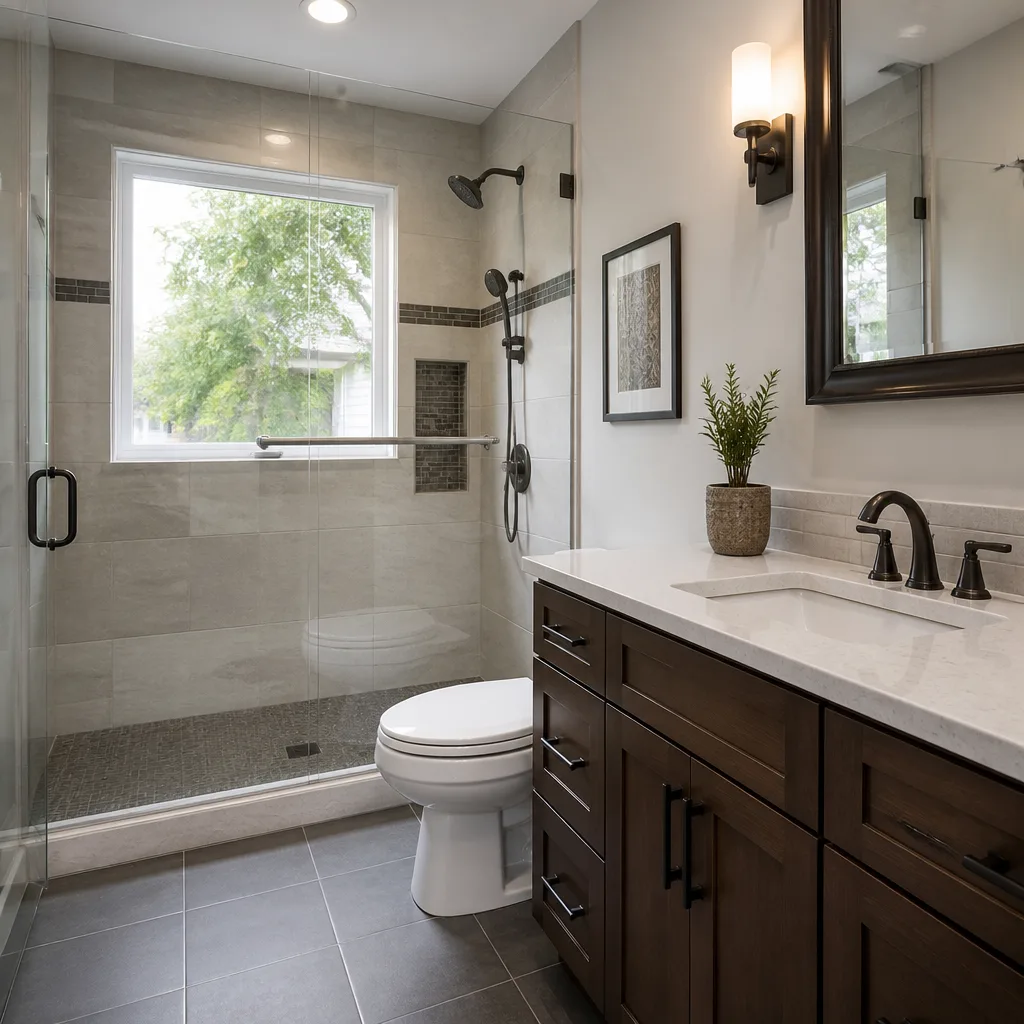
The water damage version: a DIY bathroom remodel in Sunrise Manor where the shower pan was not properly waterproofed. Slow leak behind the wall for eighteen months. The homeowner files a claim for mold remediation and structural drying. The adjuster asks who did the work. When the answer is “I did,” the claim is typically denied or reduced because the insurer’s subrogation rights are meaningless against a homeowner. There is no licensed contractor to sue for negligent workmanship, which means the insurer eats the entire loss, which means they decline.
Professionals carry liability insurance specifically because their work is insurable. When you hire a licensed contractor, you are not just buying labor; you are buying a liability chain that protects your homeowner’s policy from being the deep pocket on a claim. That is the entire reason contractor licensing and insurance requirements exist, and in Sunrise Manor, where the permitting office takes code seriously, the paper trail matters.
Permit-Ready but DIY-Legal: The Inspection System and What It Means
Sunrise Manor falls under Clark County’s building jurisdiction, and the county allows homeowners to pull permits for certain work on a primary residence. That legal right, however, doesn’t mean the inspection process is a formality. It is the same inspector, the same code book, and the same failure list whether the permit says “homeowner” or “licensed contractor” at the top of the page.
Here is the step-by-step reality of a homeowner permit for a bathroom remodel in Sunrise Manor:
- Submit a permit application with a scope of work, materials list, and a site plan. The application fee is the same regardless of who pulls it.
- Wait for plan review. If the scope involves structural changes, a stamped engineering calc may be required, which a homeowner must hire an engineer to produce anyway.
- Perform the work to current code. The code is updated every three years, and the version in force when you pull the permit governs your inspection.
- Schedule a rough inspection before covering work. The inspector checks framing, electrical, plumbing, and mechanical before you hang drywall.
- Correct any failures and reschedule. The reinspection fee comes out of your pocket.
- Schedule a final inspection after all finishes are complete.
- Receive your certificate of completion, which is the only document that proves to an insurer the work was code-compliant.
The process above takes most first-time homeowners eight to twelve weeks from application to final. A licensed contractor doing the same scope usually completes it in three to four weeks because they know the sequencing, the code version, and what the inspector is going to flag before they arrive. The permit cost is the same either way. The time cost is not.
The Hybrid Model: Hiring a GC to Supervise Instead of Self-Performing
There is a middle path between “hire everything out” and “do everything yourself,” and for budget-conscious Sunrise Manor homeowners it often produces the best outcome. The hybrid model works like this: you hire a general contractor to pull permits, manage the inspection schedule, and oversee the technical phases, while you perform the cosmetic and labor-intensive phases yourself under their direction—our General Contractor Maintenance Checklist for Sunrise Manor Homeowners covers what to expect.
The phases you keep: demolition (with GC guidance on load-bearing identification before you touch anything), painting, baseboard and trim installation, hardware installation, final cleanup, and landscaping. These phases are labor-heavy but low-consequence. A bad paint job is repairable. A bad baseboard cut costs a four-dollar piece of trim.
The phases the GC owns: anything structural, electrical, plumbing, weatherproofing, roofing, window installation, concrete, and insulation. These are the phases where a mistake hides until it compounds, and where code inspectors are most likely to fail a homeowner’s work—our General Contractor Troubleshooting: Common Problems and How to Fix Them explains how pros catch these issues early.
The hybrid model typically saves fifteen to twenty-five percent off a full-service contract while preserving the warranty and insurance protections that come with a licensed contractor on the permit. Not every contractor will agree to it; some want full control of every phase. But a Home Remodeling in Sunrise Manor contractor who is willing to define a clean split between owner-scope and contractor-scope is doing you a real favor, and the contract should spell out exactly which scope items belong to whom, with dates and dollar values attached.
Why Material Selection Is Where DIY Budgets Die
Here is a truth about home construction in Sunrise Manor that most cost comparison articles miss entirely: the material is not a commodity, and choosing it wrong costs more than the labor savings from DIY. A homeowner doing a kitchen remodel will spend forty hours on YouTube learning cabinet installation and zero hours learning why a KraftMaid cabinet box is built differently than a big-box store particleboard box. Then the first summer of monsoon humidity hits, and the cheap cabinet doors swell and won’t close, and the homeowner discovers the difference between a catalyzed conversion varnish and a vinyl wrap finish.
Material selection is not a shopping exercise; it is an engineering decision. In the Sunrise Manor climate, materials interact with the environment in specific ways. A window from PGT designed for impact resistance in a hurricane is a different product than a standard dual-pane window from a parts store, and the difference matters when the monsoon wind-driven rain hits the east-facing side of your home at forty miles an hour. The brand matters because the manufacturer’s testing protocols matter, and the testing protocols matter because they predict exactly how the product will behave in your specific climate.
A working knowledge of fifty-plus manufacturer lines, which ones play well together, and which ones carry warranty terms that match the application, is not something a homeowner develops over a weekend at the parts store. And when the material fails, the DIY installer has no manufacturer relationship to leverage for a replacement; the professional contractor does.
Common Mistakes to Avoid
- Underestimating heat on sealants and adhesives. Using a standard caulk on exterior penetrations is the single most common DIY error we see in Sunrise Manor, and it fails within one summer cycle because the surface temperature exceeds the product’s rated service range.
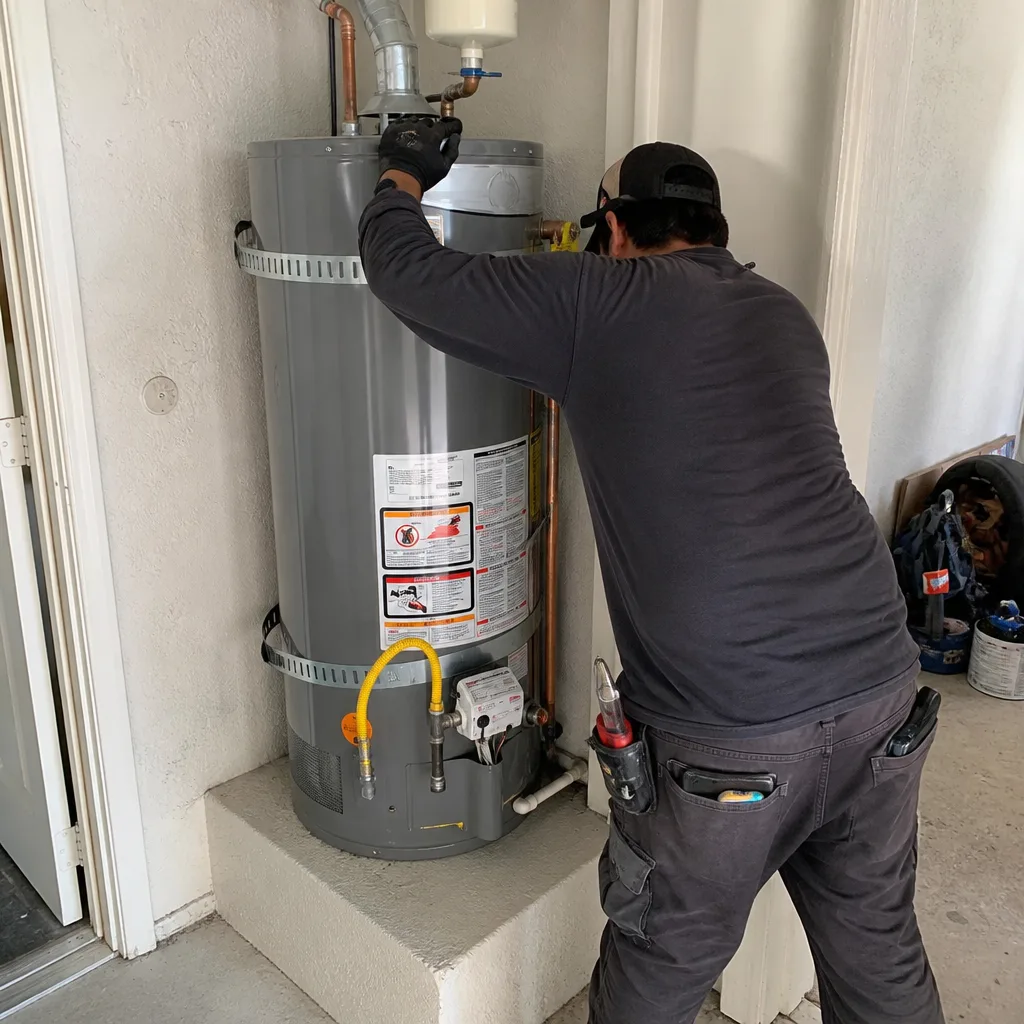
- Skipping the permit because “it’s just a small project.” When the insurance claim comes later, the missing permit is the first thing the adjuster looks for. In Sunrise Manor, a permitted water heater replacement protects the entire claim; an unpermitted one gives the insurer an escape hatch.
- Pulling a homeowner electrical permit without a code book. The inspector is not going to coach you through the NEC. If you cannot identify the section governing your scope of work, you are not ready to pull that permit.
- Doing exterior work in July. Elastomeric coatings, exterior paints, and certain mortars have maximum application temperature limits, and Sunrise Manor routinely exceeds them from June through August. Work done in extreme heat fails early even when the technique is correct.
- Replacing a shower valve without checking the rough-in depth. In Sunrise Manor’s older homes, wall thickness varies by tile profile and backer board decisions. The new valve body sits too deep or too shallow, the trim plate doesn’t seat, and you’re opening the wall again.
- Trusting a YouTube tutorial for roofing in any season. Roofing system details are climate-specific, and a tutorial filmed in Ohio does not account for Sunrise Manor’s UV exposure, monsoon flashing requirements, or the specific underlayment products required by local code.
- Confusing “brand name” with “brand match.” A name-brand window installed with the wrong flashing tape and no back dam is a leak waiting for monsoon season. The brand name doesn’t protect you from installation error; it only guarantees the product, not the assembly.
When to Call a Professional
The threshold is simple: if a mistake can hide behind a wall, under a roof, or behind a warranty exclusion, you need a professional. If the consequences include water damage, structural compromise, fire risk, or an insurance denial, the DIY savings are an illusion. In Sunrise Manor specifically, any work that touches the exterior envelope (roof, siding, windows, doors, flashing), any work involving gas or panel-level electrical, any structural modification, and any concrete pour larger than a fence post footer belongs with a licensed contractor. If you are unsure which category your project falls into, the cheapest way to find out is a single consultation. Steel Horse Construction offers free estimates in Sunrise Manor. Call (877) 265-5715 and we’ll tell you straight whether your project is DIY-safe, hybrid-appropriate, or contractor-required.
Frequently Asked Questions
A full-scope kitchen remodel in Sunrise Manor typically runs $35,000 to $75,000 with a licensed contractor, while a DIY version of the same scope might cost $18,000 to $40,000 in materials and self-performed labor. The DIY savings shrink or disappear entirely when you factor in the cost of correcting hidden mistakes, the lost manufacturer warranties, and the time spent navigating permits and inspections for the first time. Call (877) 265-5715 for an exact quote on your specific scope; estimates are free.
Yes, window replacement that changes the opening size or the structural header requires a permit in Sunrise Manor, and most replacement scenarios fall into this category. Working without a permit on windows creates an insurance exposure if the installation ever leaks or fails, because the insurer can point to unpermitted work as a coverage exclusion.
No, a DIY roofing repair voids the manufacturer warranty on the entire roof system, not just the repaired section. Manufacturers like GAF and Owens Corning require repairs and modifications to be performed by licensed, factory-authorized contractors to maintain warranty coverage. The repair you save eight hundred dollars on could cost you the remaining fifteen years of a twenty-thousand-dollar roof warranty.
Interior painting, hardware replacement, faucet swaps, drywall patching, door knob and deadbolt replacement, and minor landscaping are genuinely DIY-safe because mistakes are visible immediately and correction costs are low. In Sunrise Manor, skip the exterior paint unless you have a UV-rated product and an application window outside the extreme heat months of June through August.
Homeowner’s insurance generally does not cover damage caused by unpermitted or improperly performed DIY work, because the policy excludes losses arising from work that was not code-compliant. When a fire investigator or leak investigator traces the cause to a DIY installation, the insurer will deny or reduce the claim, and the homeowner has no contractor’s liability insurance to file against.
A licensed contractor typically completes a full bathroom remodel in three to five weeks and a kitchen in six to ten weeks in Sunrise Manor, including inspections. A first-time DIY homeowner should realistically plan on double to triple that timeline, because permit cycles, code corrections, and learning curves consume weekends and evenings for months. Call (877) 265-5715 for a schedule estimate specific to your scope.
The Bottom Line
The DIY-versus-professional decision in Sunrise Manor is not a measure of your competence. It is a measure of the failure cost of the specific task in front of you. Paint and hardware reward a careful amateur. Waterproofing, structural work, and any exterior envelope modification punish a talented one because the desert climate converts small errors into compounding damage. The warranties, insurance protections, and code compliance that come with a licensed contractor are not overhead costs; they are the actual product you are buying. Take the low-consequence work yourself, hybridize the labor-heavy phases, and let a professional own anything that can hide a failure behind a wall. For a straight answer on where your project falls, call Steel Horse Construction at (877) 265-5715 for a free estimate. Visit Steel Horse Construction home to see the full scope of work we cover across Sunrise Manor and the surrounding valley.
Written by the team at Steel Horse Construction, serving Sunrise Manor since 2016.
See the difference
 Before
 After
 Before
 After
 Before
 After