
Last updated October 31, 2026
 Home additions & ADU
 Kitchen remodeling
 Bathroom remodeling
 Roofing
 Windows & doors
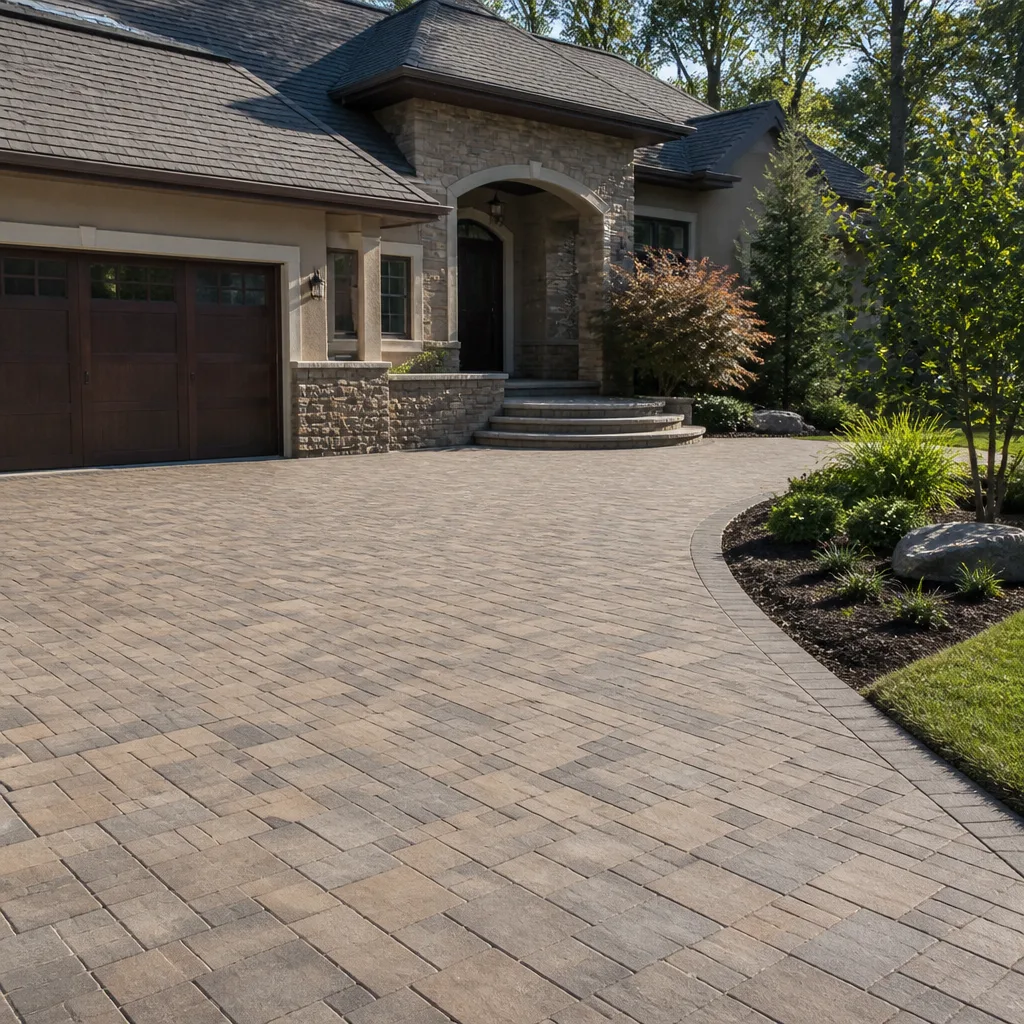 Driveway & pavers
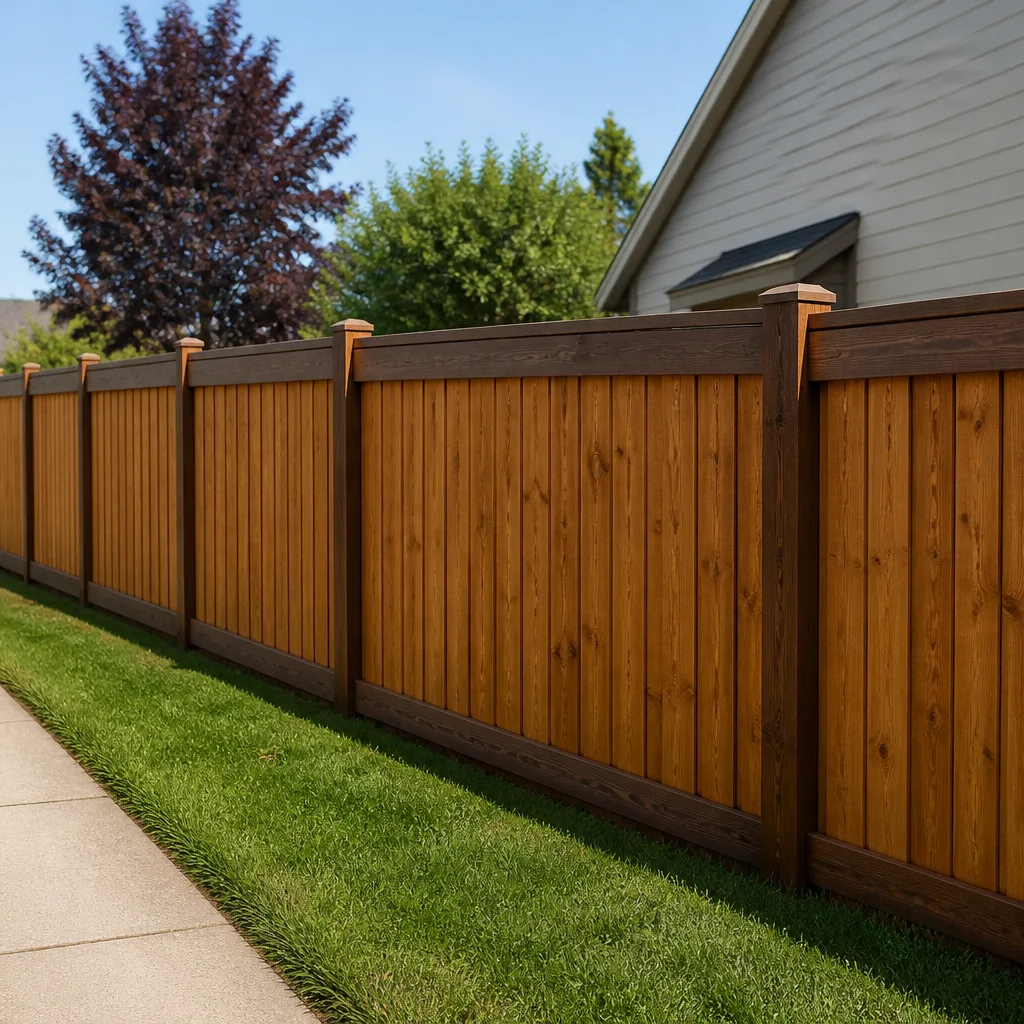 Fence
Free written scope consultation - allowances, timeline, and change-order rules on paper before a single trade is scheduled
Construction Warning Signs: A Sunrise Manor Homeowner’s Reference Guide
A hairline crack in stucco isn’t always cosmetic. In Sunrise Manor’s expansive soil zones, a diagonal crack running from a window corner at 45 degrees is a specific signal that the footing below it is moving, and it has a timeline before it gets expensive. Desert homes fail in patterns. Learning to read those patterns early is the difference between a $400 repair and a $40,000 structural remediation. This guide covers the subtle warning signs we look for on every walkthrough, the ones specific to Sunrise Manor’s climate, soil, and building stock, and what each one means for your home’s timeline and your budget. For more guides & resources on protecting your desert home, visit our blog.
Styles & brands we work with
Quick Answer
Construction warning signs in Sunrise Manor fall into five categories: stucco crack patterns that indicate soil movement, roof membrane deterioration from UV and thermal cycling, window and door alignment shifts that signal foundation movement, interior moisture signals like efflorescence that indicate water intrusion in an arid climate, and hardscape displacement that reveals soil movement under your structure. A diagonal crack wider than 1/8 inch, a roof membrane showing alligatoring, or a door that suddenly sticks should trigger a professional assessment within 48 hours.
Table of Contents
- How to Read Stucco Cracks: Shrinkage vs. Settlement vs. Structural
- Roof Warning Signs on Sunrise Manor’s Flat and Low-Slope Roofs
- Window and Door Alignment Shifts: Thermal Expansion vs. Foundation Movement
- Interior Moisture Signals in a Desert Climate: What Efflorescence Actually Tells You
- Hardscape and Fence Warning Signs: Reading Soil Movement From Your Yard
- Signs You Should Document: A Step-by-Step Monitoring Method
- Common Mistakes to Avoid
- When to Call a Professional
- Frequently Asked Questions
- The Bottom Line
How to Read Stucco Cracks: Shrinkage vs. Settlement vs. Structural
Every stucco home in Sunrise Manor will develop cracks. That’s not alarmism; it’s material science. Stucco is a cementitious product that expands and contracts with temperature, and our daily temperature swings, from 40°F winter nights to 110°F summer afternoons, put real stress on the material. The question is never whether cracks will appear. The question is what a given crack is telling you about the structure behind it.
Most cracks fall into three categories. Shrinkage cracks are the most common and the least concerning. These are hairline, less than 1/16 inch wide, and they typically appear within the first two years after application as the stucco cures. They run in random directions, often look like a spiderweb, and don’t widen over time. Settlement cracks are the ones that deserve your attention. These run in a stair-step pattern along mortar joints on block walls, or at 45-degree angles from the corners of windows and doors. In Sunrise Manor, where much of the housing stock sits on expansive clay soil that swells when wet and shrinks when dry, settlement cracks are common and often manageable, but they need to be watched. Structural cracks are the red flags. These are wider than 1/4 inch, they continue through the stucco into the underlying wall material, and they’re often accompanied by other signs: a door that sticks, a window that won’t latch, a gap between the wall and the ceiling.
Here’s the specific read we give homeowners: a diagonal crack running from a window corner at roughly 45 degrees is the single most common early indicator of differential settlement in Sunrise Manor’s soil. The window opening creates a stress concentration in the wall. When the footing beneath that section of wall settles even a fraction of an inch, the stucco cracks at that precise point. If the crack is hairline and stable, it’s likely cosmetic. If it’s widening, or if the stucco on one side of the crack is no longer flush with the other side, the footing is moving, and that movement has a timeline before it becomes expensive. Call it in. A General Contractor in Sunrise Manor can tell you within a single site visit whether you’re looking at a repair or a replacement scenario.
One more note: stucco cracks in Sunrise Manor often widen visibly in summer and close slightly in winter. That’s normal thermal cycling, not progressive movement. What you’re watching for is a net increase in width over multiple seasons, not the seasonal breathing of the material.
Roof Warning Signs on Sunrise Manor’s Flat and Low-Slope Roofs
Sunrise Manor’s residential roofing stock skews heavily toward flat and low-slope systems: built-up roofs, modified bitumen, and single-ply membranes like TPO. These systems fail differently than pitched shingle roofs, and the warning signs are easy to miss if you don’t know what you’re looking at. Here are the three specific signals we read on every roof inspection in this part of the valley.
Alligatoring. On asphalt-based built-up roofs and modified bitumen, the surface begins to develop a network of interconnected cracks that resembles alligator skin. This happens when the asphalt loses its volatile oils after years of UV exposure. Sunrise Manor gets roughly 300 days of sun per year, and that UV load is merciless on asphalt roofs. Alligatoring means the roof’s waterproofing layer has lost its flexibility. The next heavy rain, and yes, we do get them, will find those cracks. If you see alligatoring on more than 20% of your roof surface, you’re looking at a re-roof, not a patch. The good news is that coating systems can buy time if caught early. The bad news is that alligatoring rarely gets caught early by homeowners because nobody goes up on a flat roof unless there’s a leak.
Membrane ridging. On single-ply roofs, particularly older TPO and PVC systems, you’ll see long, linear ridges running across the membrane surface. These ridges form when the membrane expands and contracts with thermal cycling and begins to separate from the substrate beneath it. In Sunrise Manor’s heat, a black or dark membrane surface can hit 160°F in July. That expansion is relentless. Ridging is a signal that the membrane is working loose, and the next step after ridging is a wind event that tears a section loose entirely, or a seam that opens up under stress. Ridging is not a DIY repair situation. It requires a professional to assess whether the membrane can be re-adhered or whether the roof is entering end-of-life.
Ponding water location patterns. After a rain, watch where water pools on your flat roof and how long it takes to evaporate. Ponding that drains within 48 hours is generally acceptable on most systems. Ponding that persists beyond 72 hours is a problem. But the specific signal we look for is where the ponding occurs relative to roof penetrations. A persistent pond that forms directly around a plumbing vent, a skylight, or a roof drain is a map of where the next leak will originate. Water sitting around penetrations degrades the sealant at those points far faster than the surrounding membrane. If you document where your roof ponds after a storm, you’re essentially producing a predictive map of your next leak. That’s information a roofer can use to prioritize preventive maintenance before the leak happens.
For Sunrise Manor homeowners with roofs that need replacement, the material choice matters. We work with systems from manufacturers like GAF, CertainTeed, and Owens Corning, and the right spec depends on the roof’s sun exposure, the drainage configuration, and whether you ever plan to add a second story. A roof that’s correctly specified for this climate is a roof that gives you a decade of warning signs before it fails.
Window and Door Alignment Shifts: Thermal Expansion vs. Foundation Movement
A door that sticks is the most common foundation warning sign homeowners report, but it’s also the most commonly misread. In Sunrise Manor, wooden doors and frames expand and contract with our wild humidity swings, which are small but still enough to move a door by a fraction of an inch. A door that sticks only during July and August, or only after heavy rain, is likely a thermal expansion issue. A door that sticks year-round, or that has shifted enough that the latch no longer lines up with the strike plate, is a different story entirely.
Here’s the method we recommend for distinguishing between the two. First, note the season. If the problem appears and disappears with the weather, it’s probably material movement. Second, check the gaps. A door that sticks due to thermal expansion will usually still have even gaps around the frame when the door is closed. A door that sticks due to foundation movement will show uneven gaps: tight at the top on one side, wide at the bottom, or a visible misalignment between the door edge and the frame. Third, look at the windows in the same room. If the door is sticking and the windows above it are suddenly hard to open or won’t latch, that’s a sign that the wall section itself is moving, not just the door.
Documentation is your friend here. Take a photo of the door gap from the same angle once a month. Use a quarter, or a nickel, or a piece of tape marked with a date as a reference point. If the gap is changing across multiple seasons, get a professional assessment. If it’s stable, you’re likely dealing with normal thermal movement and a door that could use an adjustment.
The same logic applies to windows. A double-hung window that suddenly won’t stay open, or a casement window whose crank binds, may indicate that the rough opening has fallen slightly out of square. Again, seasonal fluctuation is normal. Progressive deterioration over six months or more is not. We’ve seen cases in Sunrise Manor where a window that was slightly sticky in year one became fully inoperable by year three, and by then the underlying footing issue had advanced far enough that the repair cost had multiplied. Catching the trend early is the entire game.
Interior Moisture Signals in a Desert Climate: What Efflorescence Actually Tells You
Most home guides treat mold as the universal interior moisture warning sign. In Sunrise Manor, mold is less common than it is in humid climates, but that doesn’t mean moisture problems don’t exist. They just present differently. The warning sign specific to desert homes is efflorescence: that white, chalky, crystalline residue that forms on concrete block walls, brick, and mortar joints.
Efflorescence itself is harmless. It’s simply mineral salts being dissolved by water moving through the wall and deposited on the surface as the water evaporates. But here’s the reason efflorescence on a block wall in a dry environment is a more urgent warning than mold in a humid one: in a humid climate, a little moisture in a wall cavity is normal and expected. In Sunrise Manor, where annual rainfall averages around four inches, moisture moving through a block wall means something is actively wrong. Either water is being introduced from outside, a leaking irrigation line, a roof drainage issue, a plumbing leak behind the wall, or water is wicking up from the soil through the footing, a process called rising damp. There is no “normal” interior moisture in a desert home.
When we see efflorescence on an interior block wall in Sunrise Manor, the first question is about water source. Is there an irrigation valve box on the other side of that wall? Is there a roof scupper or downspout discharging next to the foundation? Is there a bathroom or kitchen on the other side that might have a slow leak inside the wall cavity? The second question is about duration. Efflorescence that appears shortly after a known water event, a heavy rain, an irrigation leak, and then dries out and doesn’t recur, is a one-time issue. Efflorescence that persists, recurs, or spreads is a chronic moisture problem, and chronic moisture in a block wall means the steel reinforcement inside the wall is at risk of corrosion, and the soil beneath the footing may be softening. Neither of those is a small problem.
The practical takeaway: if you see white chalky residue on an interior wall in Sunrise Manor, don’t write it off as harmless efflorescence and move on. Find the water source. If you can’t find it quickly, call someone who can. A home renovation professional with experience at Home Renovation in Sunrise Manor projects has seen enough of these to track the water source efficiently.
Hardscape and Fence Warning Signs: Reading Soil Movement From Your Yard
Your yard is a diagnostic tool. The same expansive soil that can shift your foundation also acts on every hardscape element and fence post in your landscape, and because those elements are lighter and more flexible than your foundation, they show movement earlier and more obviously. Reading your hardscape is often the earliest possible warning of soil movement that will eventually affect your home.
Fence post lean angles. A fence post that leans slightly is a normal sight in any landscape. But pay attention to the angle and the pattern. A post that leans away from the house, while the next post leans toward the house, suggests differential soil movement along the fence line. A series of posts all leaning in the same direction, particularly on a slope or near a retaining wall, suggests slumping or creep of the soil mass itself. And a post that was installed plumb and has moved more than a few degrees within a single year is a signal that the soil at that point is actively unstable. In Sunrise Manor, where caliche layers underneath the topsoil can create perched water tables after heavy rain, posts can destabilize quickly when water gets trapped above an impermeable layer.
Concrete joint displacement. Flatwork, driveways, walkways, patios, is poured with control joints so that when the concrete cracks, it cracks along a line nobody sees. The warning sign is not a crack at a joint; that’s the system working as designed. The warning sign is vertical displacement: one side of the joint is now higher or lower than the other. That’s a sign that the soil beneath the slab has shifted unevenly. A displacement of 1/4 inch is worth noting. A displacement of 1/2 inch or more, particularly if it’s growing, means the slab’s subgrade is moving, and if that slab is adjacent to your foundation, the movement may not stop at the joint.
Block wall cap separation. Concrete block walls in Sunrise Manor are built with a solid cap on top, typically poured concrete or a CMU cap block. When the wall below is stable and the cap is well-adhered, the joint between cap and wall should be tight and uniform. Separation of the cap from the wall, particularly in a stair-step pattern that mirrors settlement cracks elsewhere on the property, indicates that sections of the wall are settling at different rates. Block walls are heavy. They put real load on their footings. A wall section that’s settling is a wall section whose footing is failing, and once a wall starts moving, it can continue moving for years.
We spec hardscape products from manufacturers like Belgard, Unilock, and Tremron specifically because these brands invest in engineering their products for installation on challenging soils, including the expansive clays found throughout Sunrise Manor. Products matter, but so does the subgrade preparation, and that’s where a full-scope contractor’s attention pays off. The hardscape is only as stable as the soil it sits on.
Signs You Should Document: A Step-by-Step Monitoring Method
Most warning signs don’t require immediate action. They require documentation. A crack that’s stable is not a problem. A crack that’s growing is a problem. The only way to know which you have is to measure and record, and most homeowners never do. Here’s a simple monitoring method that takes fifteen minutes a month and produces the data a contractor needs to make an accurate assessment.
- Pick your signs. Identify every crack, gap, lean, or displacement on your property that concerns you. Limit yourself to the top five. You can’t monitor everything, and five is enough to catch the trends that matter.
- Photograph each sign from the same angle every time. Stand in the same spot, use the same zoom, and hold the camera at the same height. Consistency matters more than photo quality.
- Measure with a reference object. A coin works for cracks under 1/8 inch. A quarter is 0.069 inches thick. A nickel is 0.077 inches. Use the same coin every time and photograph it next to the crack for scale.
- Record the date and the measurement. A simple note on your phone works: “July 15, southeast corner crack, quarter fits halfway in.” The goal is a time series, not a single data point.
- Review your records every six months. If a crack has widened by more than a nickel’s thickness in six months, or if a door gap has changed by more than 1/8 inch, it’s time for a professional assessment.
This method works because it removes the subjective element. Memory lies. Photos and measurements don’t. When you call a contractor with six months of documented change on a specific crack, the conversation changes from “I think something might be wrong” to “here’s the evidence, tell me what it means.” That’s the difference between a $100 inspection and a $10,000 guess.
Common Mistakes to Avoid
- Caulking over a structural crack. Caulk hides the crack, but the movement continues behind it, and now you’ve lost your visual monitoring point. If the crack is structural, caulk is a cosmetic bandage on a wound that keeps bleeding.
- Assuming a flat roof leak is “normal” after a heavy rain. A properly installed flat roof doesn’t leak, period. If water is entering your home, the roof has failed at some point, and ignoring it turns a $500 repair into a $15,000 re-roof.
- Ignoring a sticking door because it only happens in summer. Thermal expansion is real, but so is progressive foundation settlement that happens to be most visible in summer. Document the gap before you dismiss the problem.
- Writing off efflorescence as “just salt.” The salt is real, but the water that carried it is the problem. In a desert home, moisture on an interior block wall always has a source, and the source always wants to be found.
- Planting water-hungry landscaping directly against the foundation. A citrus tree or a row of shrubs against the house introduces concentrated moisture into the soil right at the footing line, which is exactly where expansive soil does its worst work. Keep irrigated planting at least five feet from the foundation in Sunrise Manor, or install a root barrier and a dry zone.
- Assuming your home is “too new” to have foundation issues. Soil doesn’t care how old the house is. We’ve documented significant settlement in Sunrise Manor homes under ten years old, often because the original builder didn’t account for localized soil conditions on that specific lot.
When to Call a Professional
Some warning signs are signals. Others are sirens. If you see any of these in Sunrise Manor, stop documenting and start dialing: a diagonal crack wider than 1/4 inch that has appeared or widened within a single season, a roof leak that occurs every time it rains regardless of rainfall intensity, a door that won’t close at all without forcing it, efflorescence that reappears within weeks of cleaning, or a block wall cap that has separated and is visibly moving. These are not monitoring scenarios. These are assessment scenarios, and the timeline matters. A foundation problem caught early is a repair. The same problem caught two years later is often a replacement. Steel Horse Construction offers free estimates in Sunrise Manor – call (877) 265-5715 to schedule a walkthrough, and we’ll tell you which category your warning signs fall into before you spend a dime.
Frequently Asked Questions
Fixing a structural stucco crack typically costs between $800 and $3,500, depending on the crack’s length, the underlying cause, and whether the repair is cosmetic or structural. If the crack is purely cosmetic, a simple re-stucco patch might run $400 to $800. If the footing beneath it needs stabilization, you could be looking at $10,000 or more for underpinning or pier installation. The only way to know is to have the crack assessed. Call (877) 265-5715 for a free estimate – we’ll tell you what you’re actually dealing with.
A structural crack is typically wider than 1/4 inch, runs in a diagonal or stair-step pattern, and is accompanied by other signs like sticking doors or windows that won’t latch. A cosmetic crack is usually hairline, less than 1/16 inch wide, and stable across multiple seasons. When in doubt, measure and monitor. If the crack is growing, treat it as structural until a professional tells you otherwise.
Some settling is normal in any home, and Sunrise Manor’s expansive soils make a small amount of movement nearly universal. But there’s a difference between stable settlement and progressive settlement. Stable settlement means the home moved a little during its first few years and has since found equilibrium. Progressive settlement means the movement is ongoing, and the signs are visible: cracks that continue to widen, doors that continue to shift, gaps that grow over time. Progressive settlement deserves a professional assessment.
A properly installed flat roof in Sunrise Manor typically lasts 15 to 25 years, depending on the system, the material quality, the UV exposure, and the maintenance history. Built-up and modified bitumen roofs tend toward the 15 to 20 year range. Premium single-ply membranes like TPO and PVC can reach 25 years with proper installation and periodic maintenance. The biggest killer of flat roofs in this climate is UV degradation, followed by ponding water at penetrations. A roof that’s inspected every two or three years, following a General Contractor Maintenance Checklist for Sunrise Manor Homeowners, will almost always outlast a roof that’s ignored until it leaks.
If the cracks are cosmetic, a simple patch before listing is a reasonable investment that prevents the cracks from becoming a negotiation point with buyers. If the cracks are structural, you have a legal obligation to disclose known defects, and trying to hide them with cosmetic repairs is both unethical and actionable. The better approach is to have the cracks assessed professionally before you list. Knowing where you stand lets you price the home honestly and negotiate from strength. A Home Remodeling in Sunrise Manor team can handle the cosmetic repairs and coordinate the structural work if it’s needed, all before the listing photos are taken.
Cosmetic stucco cracks, hairline cracks with stable dimensions, can be patched with an elastomeric caulk and a matching stucco patch, and the materials cost under $100. Roof issues, structural cracks, foundation movement, and anything involving gas or electrical lines or high-tension components are not DIY vs Professional Construction: The Sunrise Manor Homeowner’s Decision Guide territory. Roof work on a flat roof involves working at height and handling materials that are heavier and more awkward than they look. A fall from a single-story roof in Sunrise Manor is a life-altering event. If the warning sign involves height, structural uncertainty, or any system that keeps water and electricity in their proper places, call a licensed contractor. The cost of the call is always less than the cost of the mistake.
The Bottom Line
Sunrise Manor homes fail in patterns, and those patterns announce themselves in advance. A diagonal crack at a window corner, a roof membrane showing alligatoring, a door that sticks a little more each season, a patch of efflorescence that won’t stay gone, a fence post leaning toward the house. Each one is a data point. None of them, on their own, means your home is in trouble. But three or four of them, documented over six months and moving in the same direction, means something real is happening underneath or around your home, and the cost of finding out early is a fraction of the cost of finding out late. Learn to read the signs. Document what you see. And when the trend line points toward trouble, call someone who’s been doing this long enough to know the difference between a repair and a replacement. The team at Steel Horse Construction serves Sunrise Manor with full-scope general contracting from Steel Horse Construction home base, and we’re available to assess your warning signs at no cost. Call (877) 265-5715.
Written by the team at Steel Horse Construction, serving Sunrise Manor since 2016.
See the difference
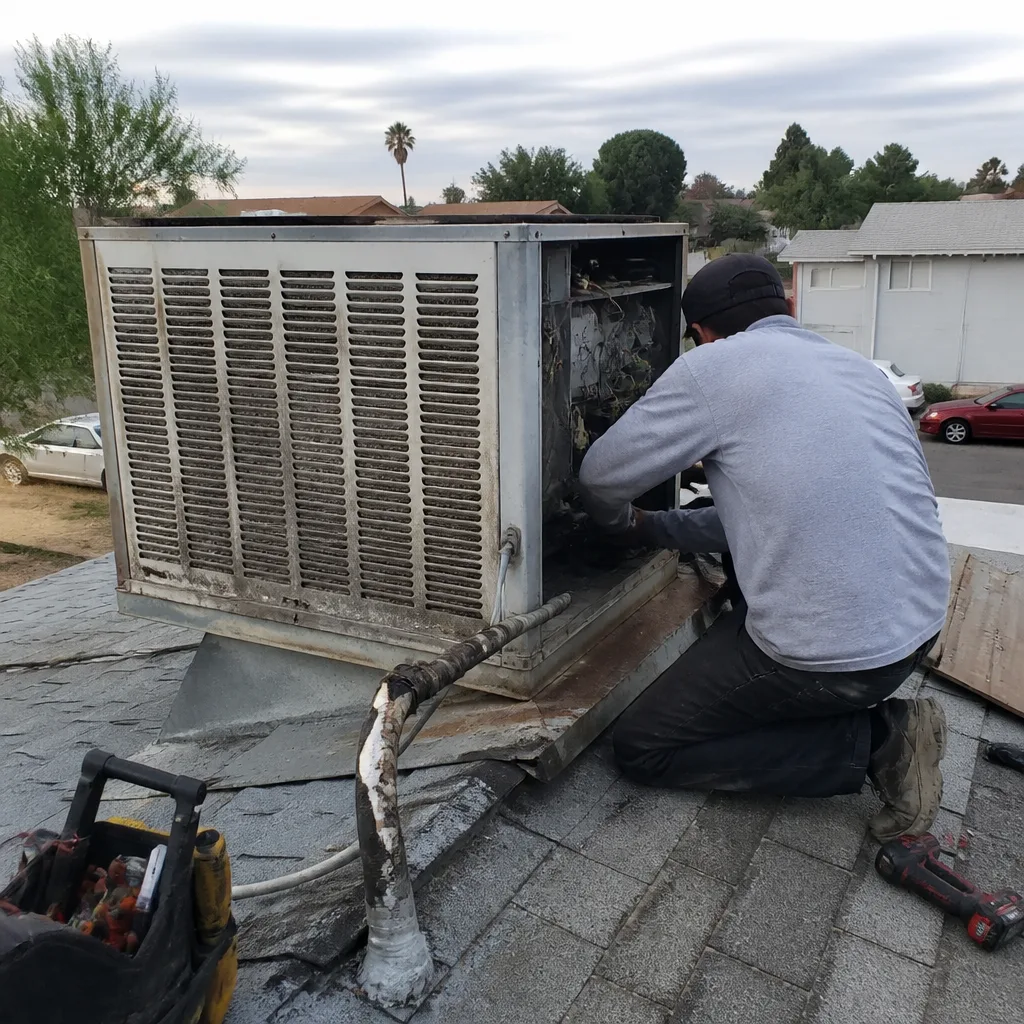 Before
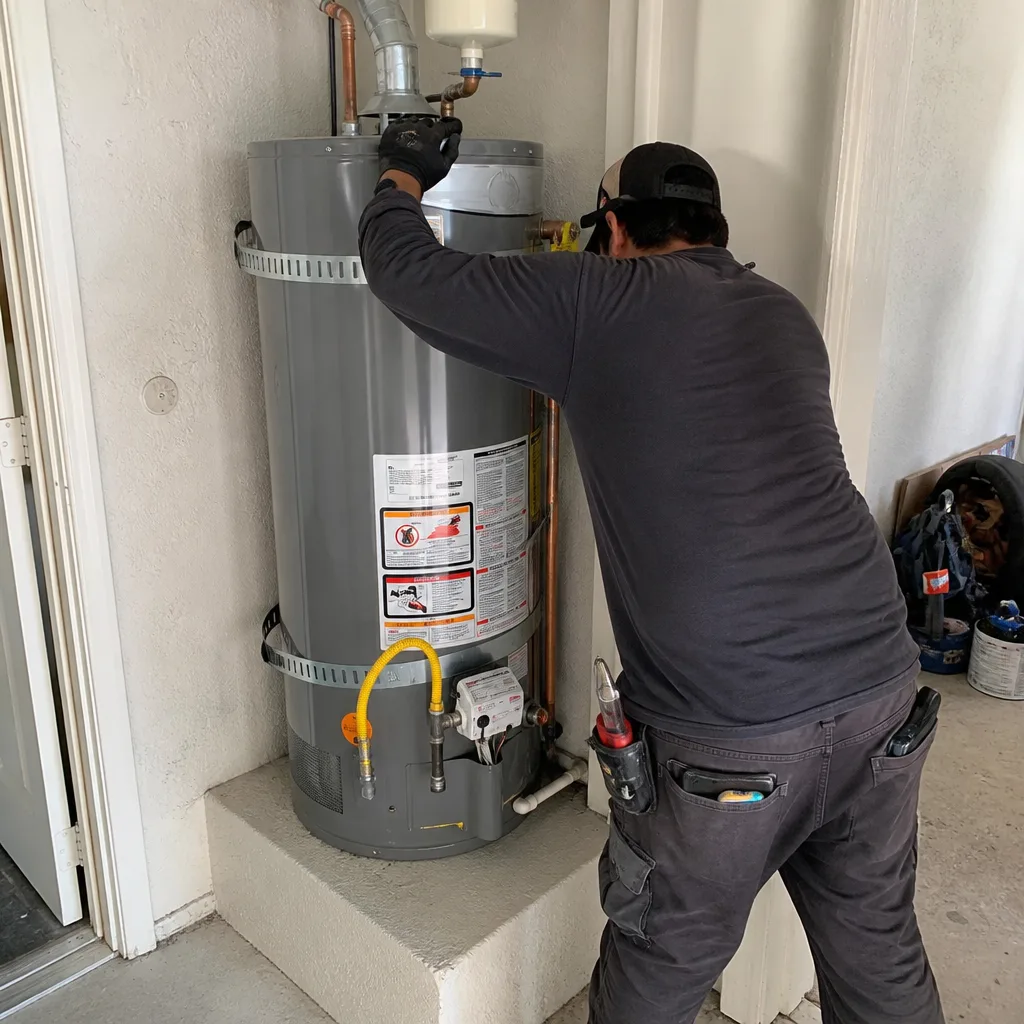 After
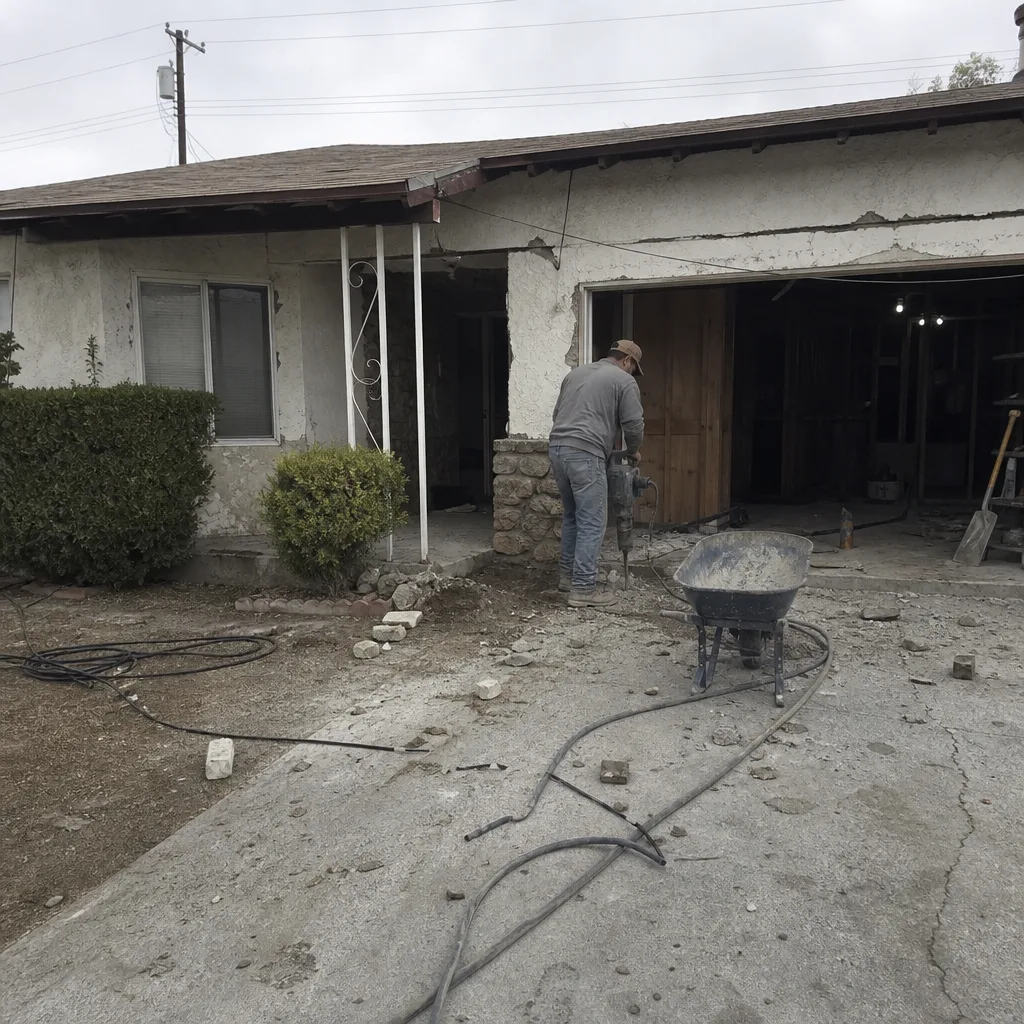 Before
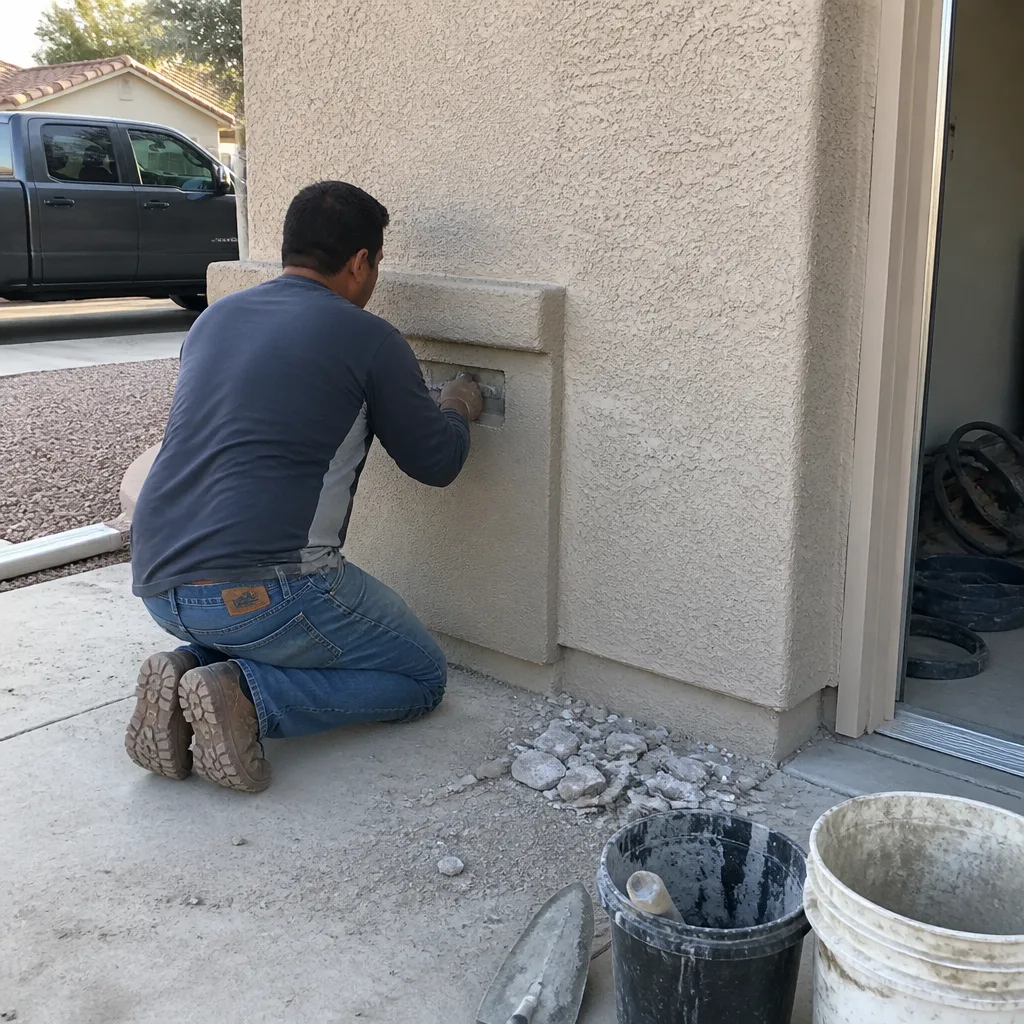 After
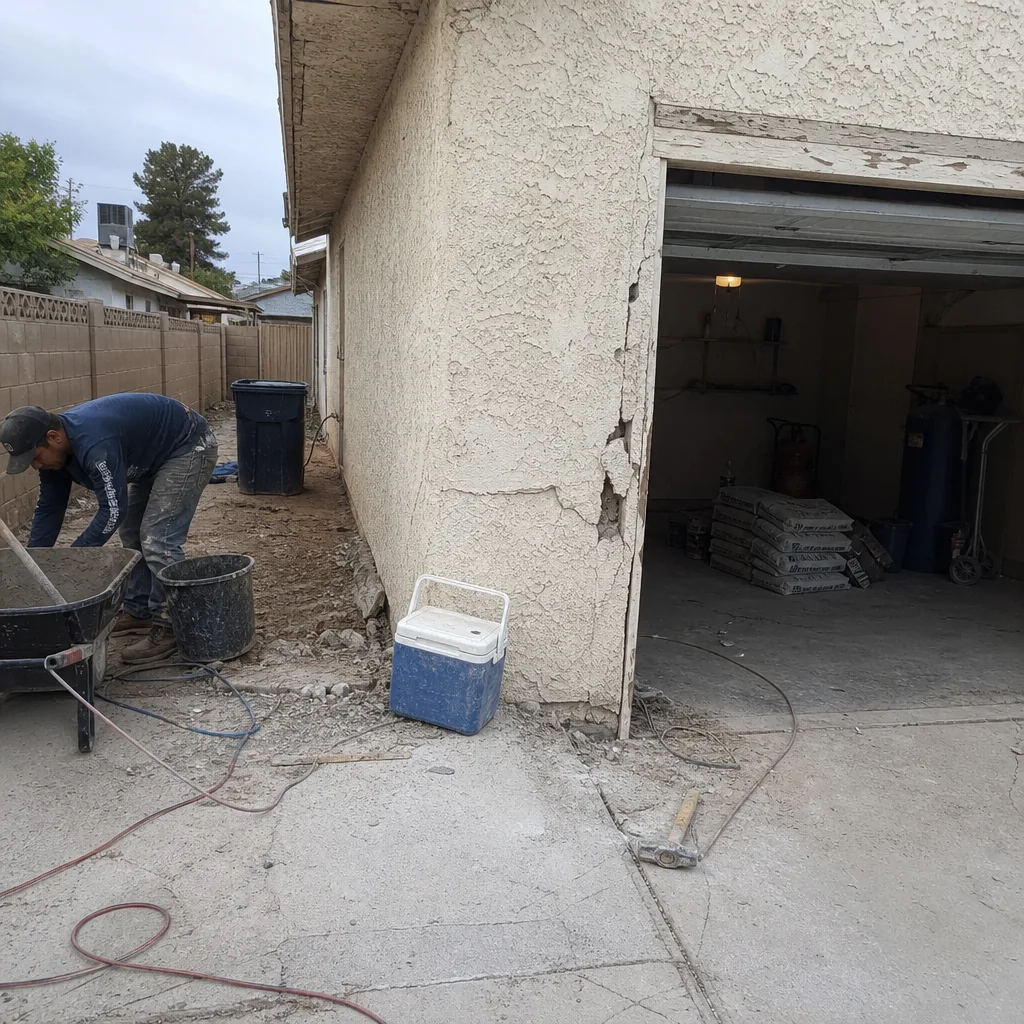 Before
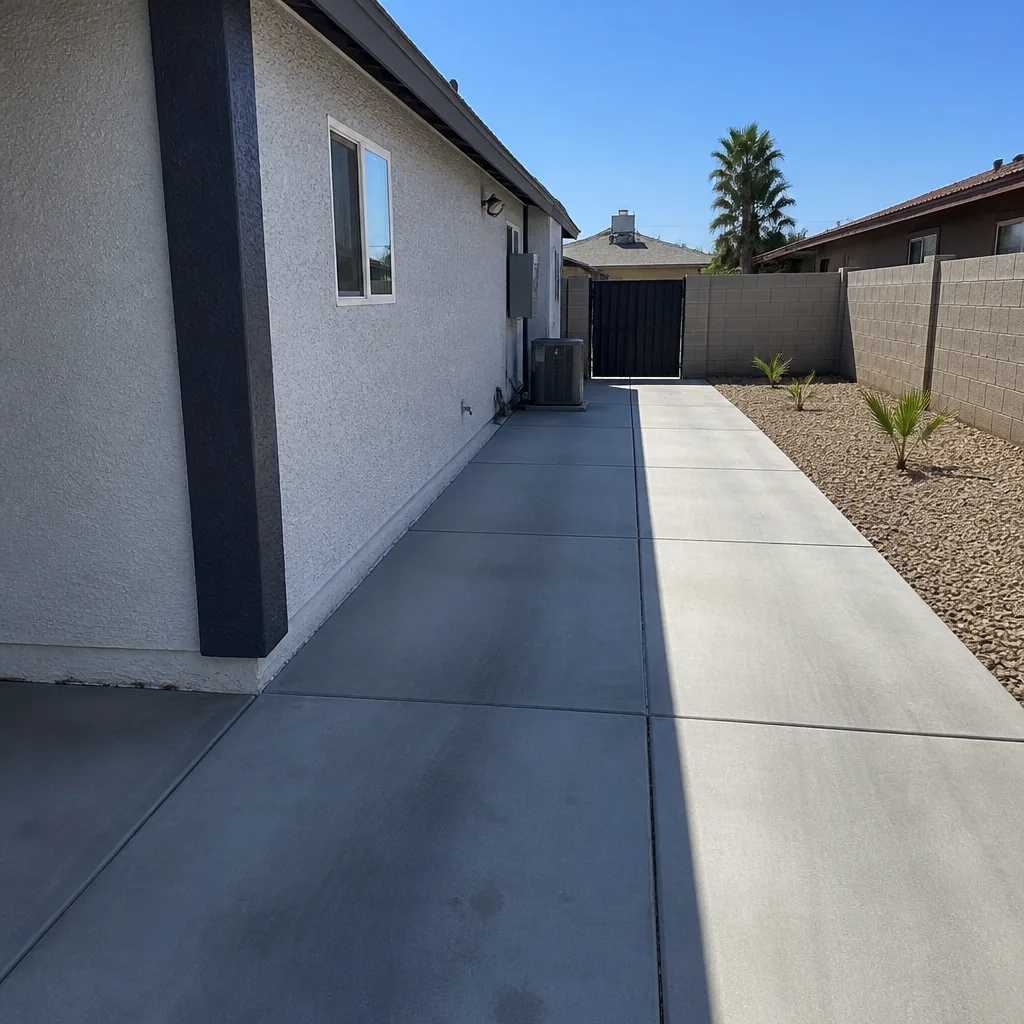 After